Bill doesn’t adequately protect productive farmland – B+LNZ
The Government claims to have delivered on its election promise to protect productive farmland from emissions trading scheme (ETS) but red meat farmers aren’t happy.
 increase font size
OPINION: The number of farms being converted to forestry in the name of tackling climate change in New Zealand is causing alarm.
Now is a group of NZ farming and agribusiness people is saying enough is enough.
They are getting together and bidding to buy an iconic central North Island station to stop it being planted in permanent exotic forest.
Mangaohane Station, nearly 5,000ha just off the Napier-Taihape Road in central North Island, is for sale by international tended through real estate Bayleys.
Bids close on December 7 and its scale, location and clear, easy contour is expected to draw strong overseas interest, particularly from companies seeking to find a source of carbon credits to offset their own fossil fuel emissions.
Forever Farming NZ plant to buy the station by raising the estimated $45m. They intend to keep Mangaohane in Kiwi hands and farming livestock.
The Government claims to have delivered on its election promise to protect productive farmland from emissions trading scheme (ETS) but red meat farmers aren’t happy.
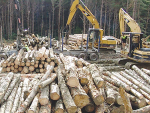
OPINION: Productive whole farmlands conversions into forestry are becoming a thorny issue for the Government.
OPINION: Will synthetic milk derail NZ's economy?
OPINION: According to media reports, the eye-watering price of butter has prompted Finance Minister Nicola Willis to ask for a 'please explain' from her former employer Fonterra.
OPINION: As India negotiates to open its borders to more global products, dairy is proving a sticky issue.



Āta Regenerative is bringing international expertise to New Zealand to help farmers respond to growing soil and water challenges, as environmental monitoring identifies declining ecosystem function and reduced water-holding capacity across farms.
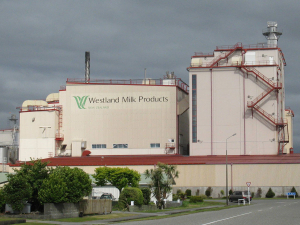
Yili's New Zealand businesses have reported record profits following a major organisational and strategic transformation.
Owners and lessees of certain Hino Trucks New Zealand diesel vehicles have just 10 days remaining to register or opt out of a proposed $10.9 million class action settlement.
Silver Fern Farms has successfully produced and delivered 90 tonnes of premium chilled New Zealand lamb and beef to the United Arab Emirates via airfreight.
For the first three months of 2026, new tractor deliveries saw an increase over the previous two months, resulting in year-to-date deliveries climbing to 649 units - around 5% ahead of the same period in 2025.
QU Dongyu, director-general of the Food and Agriculture Organization of the United Nations (FAO), has issued a warning saying that global fertiliser scarcity caused by disruptions in the Strait of Hormuz will lead to lower yields and tightening food supplies into 2027.