Mineral Balance: The hidden key to dairy goat health & production
Most dairy goat farmers focus on getting energy, protein, and fibre right, and fair enough – feed drives milk.
 increase font size
 Ensure good farm hygiene and biosecurity to protect your herd.
All food producing industries are entering a period of increased consumer awareness.
Consumers want to know where their food has come from and what the health risks and animal welfare issues are in that production. As an industry, whether a commercial producer or a supplier of genetics to commercial producers, we each have a responsibility to ensure best practice for the ongoing health of our animals and our industry.
We must be proactive, not reactive, in the recognition, testing and management/elimination of disease in our herds.
A recent study in Italy assessed the economic impact of MAP infection onfarm, and the profit efficiency on semi-extensive dairy sheep and goat farms; the study found significant profit inefficiencies on farms with MAP infection with feed, veterinary interventions and labour costs having the biggest impacts along with significant loss of production.
What can we do? We can apply a best-practice protocol industry-wide, including commercial herds, hobby and stud herds, and donors for sales of semen and embryos.
Test all animals over one year of age every year prior to mating; transmission may also be spread via semen and placenta.
Ensure your farm and housing are free of dirt and hoarded rubbish, because rubbish tips and ‘Old MacDonalds farm’ set-ups are a likely potential source of disease.
Ensure good farm hygiene and bio-security; talk to your vet about putting in place top-notch bio-security to protect your herd.
If purchasing animals from outside your own herd or semen/embryos insist on viewing the current MAP status of the herd of origin; do not take someone’s word for it; ask to sight the lab report.
Remove and isolate any positive animals before they can infect others.
Identify offspring of infected/positive animals and cull.
Do not dam rear kids. Remove kids from does at birth and feed only colostrum/milk from tested negative animals or milk replacer.
Lobby for a national MAP programme so clean-testing herds can gain a national accreditation.
Let’s do this once and do it right.
• Debbie Crump is manager of Demore Sables Dairy Goats.
Most dairy goat farmers focus on getting energy, protein, and fibre right, and fair enough – feed drives milk.
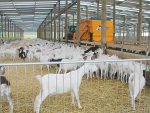
Part of your preventative healthcare needs to focus on the safety of the physical environment, according to a dairy goat farming website.
Last month's inaugural New Zealand Cashmere Conference saw the opening of a new fibre processing facility.
New Zealand’s fledgling dairy goat industry is in turmoil.
After working on the concept for six years, one of the country’s largest goat farms has launched its own brand of fresh milk.


A seasoned horticulturist has been appointed to deliver the Apple Action Plan, a key initiative of the India-New Zealand Free Trade Agreement.
New Zealand's citrus growers have been told to compete on the value built into their fruit rather than the volume they grow.
Hawke's Bay fruit growers are being reminded of the need to prepare for whatever the El Niño weather system may bring in the coming months.
Three and a half years on from when Cyclone Gabrielle hit Hawke's Bay, some orchardists in the region are still receiving counselling to help them deal with the trauma they suffered.
South of the central Hawke’s Bay town of Waipukurau is Taniwha Station – a highly successful 550ha bull beef farming operation.
Beef + Lamb NZ funded research has shown that some simple changes to pasture management could help farmers make better use of rainfall and build resilience before dry conditions hit.