Big M triple mower cuts the mustard and much, much more
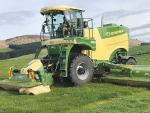
Walling Contracting’s Ben Walling describes his Krone Big M 450 self-propelled mower as a “brilliant machine”.
 increase font size
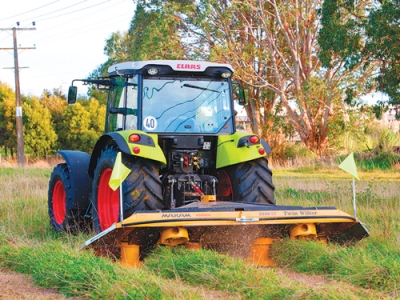 Maxam mowers are designed and built in New Zealand.
While the bulk of the grass harvest falls to contractors, small paddocks or late cuts can often be done by farmers with their own machinery.
Sometimes the choice is difficult when choosing a cutting system, because the machine will likely need to be dual purpose for mowing as well as topping or pre-cutting before grazing.
Maxam mowers, designed and built in New Zealand by Farmgear, offer a different perspective from the mainstream in that they can do all the above tasks and can also be used to spread cut crop in the same pass.
A range of machines offering in-line, offset or front mounting offers cutting widths 2.1-3.3m; they have a drum-style design carried on a full length skid assembly, and swinging replaceable blades that operate at tip speeds in excess of 300km/h.
The drum design allows an unobstructed flow of grass through the machine, even in heavy crops, and the swinging blades move back if they encounter any foreign objects; they are inexpensive to replace. The skids give good ground following characteristics, especially as they work in conjunction with a spring loaded top link system called ConTour.
Another point of difference with the Maxam mower is the ability to use the wilter attachment which spreads the cut crop in a carpet across the full width of the machine. Smaller rotors set behind the main cutting drums carry spring steel tines that lift the crop and throw it rearwards, with heavier material being thrown further, and landing above the shorter, drier material, getting more exposure to the wind and sunshine for quicker drying. This drying increases dry matter and ME and helps eliminate moulds which can spoil the conserved crop.
For more information visit www.maxam.net.nz
Walling Contracting’s Ben Walling describes his Krone Big M 450 self-propelled mower as a “brilliant machine”.
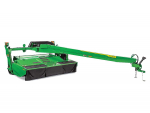
John Deere has updated and expanded its mower conditioner line-up for 2021.
Third-generation dairy farmers Hayden and Tania Edmeades run 500 dairy cows and associated young stock over 190ha near Putararu in the Waikato.
Bede Ryan Contracting has found success with the new Krone EasyCut B950 Collect mower.
A new EasyCut B950 butterfly mower from German manufacturer Krone looks to have hit the mark with users.


Farmgate lamb prices are down by 8%, beef cattle by 4.5% and farm expenditure up by 4.2%.
Kiwifruit growers are watchful but remain optimistic as concerns around the potential effects of the El Niño weather pattern this season.
Almond hulls sourced from Australian orchards may have the potential to help New Zealand cows reduce emissions, boost milk yield and lower input costs.
Striking a balance between meeting the needs of industry to speed up approval time for products but on the other hand ensuring that risks are properly assessed.
Surprised, humbled and quite thrilled. That’s the reaction of James Allen, one of the founding partners and now chief executive of AgFirst, on being made a life member of the Institute of Rural Professionals.