LIC Chief Says BVD Eradication in NZ Is Within Reach
A dairy industry leader believes eradicating the common and costly disease, Bovine Viral Diarrhoea (BVD) is within reach.
 increase font size
 From left: Ann Scott (LIC), Bryan and Suzanne Jackson and Murray King (LIC chairman).
LIC Sire Proving Scheme (SPS) Farmers of the Year Bryan and Suzanne Jackson have been in the programme for 18 years.
Bryan told Dairy News he is proud to be among farmers helping shape the dairy industry of the future.
The Jacksons use unproven bulls in the herd on their farm at Kereone, Morrinsville.
“We don’t have a choice of bulls; we use different bulls every day for a five week AB programme.
“We score the daughters on various traits like temperament and adaptability to milking when they enter the herd two years later.”
SPS farmer feedback helps LIC assess the bull daughters for various production, health and fitness traits.
Bryan says one advantage of joining the SPS is having access to genetics well before other farmers. He has seen productivity rise in his 450-cow herd – from 300kgMS/cow 20 years ago to about 500kgMS/cow now.
He says he is “really stoked’ to have won the SPS farmer of the year award.
Suits a stable hand
According to LIC, the SPS suits farmers with stable herds who can commit for a minimum of four years.
An interest in breeding is essential, as are good organisation and record keeping skills.
The data they collect gives each bull a ‘daughter proof’. Bulls with the best proofs are then marketed to the wider dairy industry.
The ‘daughter proof’ also helps to validate and refine the accuracy of LIC’s genomic data used to breed and select bull calves coming into the scheme year on year.
Information collected as part of the Sire Proving Scheme includes:
Insemination - non return rates
Calving - calf defects, calving assistance
Rearing - health issues, traits, general performance
Milking - herd test information, live weight data, traits other than production.
A dairy industry leader believes eradicating the common and costly disease, Bovine Viral Diarrhoea (BVD) is within reach.

LIC shareholders have elected a new North Island representative to the co-operative's Board, along with five representatives to its Shareholder Reference Group (SRG), following the company's Annual Meeting held in Invercargill.
Farmers can spend less time on paperwork, thanks to a new data sharing agreement between DairyNZ’s DairyBase and LIC’s MINDA software.
An LIC bull, Tronnoco AR Sadio-ET S3F, bred by Tony and Keri O'Connor of Tronnoco Farming Co Ltd near Timaru, has won the 2026 Mahoe Trophy.
Bovine Viral Diarrhoea (BVD) is estimated to cost New Zealand's dairy and beef industries more than $150 million every year, yet many of the tools needed to control it are already well understood. After more than 25 years in veterinary practice, Andrew Weir, animal health technical specialist at LIC, has seen firsthand the impact BVD can have on herd performance. We asked him about the role of persistently infected (PI) animals and the practical steps farmers can take to reduce their risk.


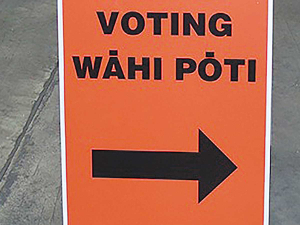
OPINION: As election day looms, rural NZ seems to have pressed the pause button – held somewhat in limbo on an orange light.
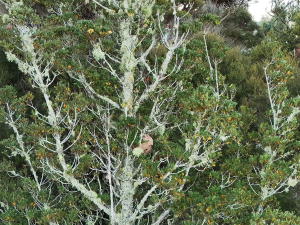
Will drones be the answer to tackling the problem of wasp and hornet nests high up in trees and other inaccessible places?
Canterbury milk processor Synlait has come through tough times and is now ready to scale up from a stable base, says its newly confirmed CEO Leon Fung.
NZPork says a ham made in New Zealand is not necessarily made from New Zealand pork.
Rural Contractors NZ says proposed changes to land transport rules for agricultural vehicles are a welcome response by the Government to out-of-date regulations which have seen members hit with huge fines.
With New Zealand’s greenhouse gas emissions in the spotlight, Auckland scientist Nathan Balasingham says there’s a better way to tackle the problem than shrinking cow numbers or fertiliser usage.