What Would Synlait Be Worth to Fonterra or a2 Milk?
Speculation of a possible joint move by Fonterra and a2 Milk to buy Synlait raises a much bigger strategic question, says agribusiness expert Dr Nic Lees.
 increase font size
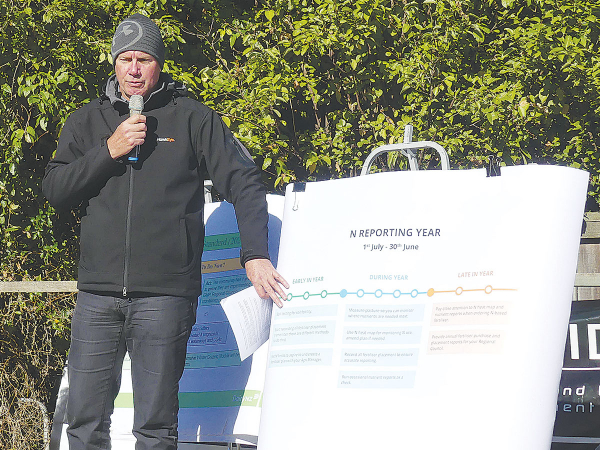 Phil Barlow, product manager for Ravensdown's HawkEye tool, presents management tips on achieving nitrogen caps during the recent autumn Focus Day at the Lincoln University Demonstration Dairy Farm.
Farmers need to start now keeping accurate and detailed records of their fertiliser use to meet new pastoral nitrogen limits, says Ravensdown’s Phil Barlow.
Speaking at the recent Autumn Focus Day at the Lincoln University Demonstration Dairy Farm (LUDF), Barlow said the nitrogen rules from the central Government’s freshwater package basically come down to farmers keeping reliable records of what they are buying and spreading on the land.
He urged them to start now, using whatever software package they had available.
“You can manually record but just make sure you start recording it.”
Barlow said that while Ravensdown and its competitors could provide details of what’s been supplied, farm operators needed to know what’s been applied and will be the ones responsible for providing records to their regional councils for the year starting July 1.
If there were mismatches between what’s supplied and what’s recorded as being applied “the environmental agencies are going to be on your back a bit,” said Barlow.
“Run the occasional nutrient report from whatever system you’re using, to make sure that you’re matching up what you think is happening.”
Barlow said soil testing for fertility would be a good place to start because it could allow farmers to pull back on fertiliser use in some paddocks versus others that may need a bit more.
It was also important for farmers who do not think they can meet the limitations to apply for a resource consent as soon as possible.
“You’re probably leaving your run a little bit late but that’s a really key thing and there’ll be people in that boat, probably in Canterbury and maybe North Otago a little bit.”
The product manager for Ravensdown’s HawkEye fertiliser management software, Barlow said that through HawkeEye the orders go in a file to the spreader units so that they can only spread the required fertiliser where it is meant to go. It is then reconciled back into the system automatically.
“This captured data then feeds into the reporting of the nutrients for your farm, it’s automated and that’s the data that will get fed through to the councils when they start looking at that 190 per hectare of the farm.”
Although HawkEye has been around for about four years already, it was coming into its own with the increased need for close monitoring of fertiliser use, and particularly with the coming 190kg limit.
Barlow said about a quarter of Ravensdown fertiliser sales already go through the HawkEye system.
He used the LUDF Focus Day to unveil a couple of new features of HawkEye now in development, one being a colour heat-map presentation of N use across the farm and the other a graphical representation. Other reporting tools were in the pipeline.
“We’re looking at mobile apps to capture data as well to make life a bit easier when you’re out in the field and offline potentially.”
Delivering Data
Ravensdown's developers were about to meet with ECan to discuss how HawkEye could deliver data to the council.
"We will be able to create those reports and automate them inside the system so you don't have to go digging around trying to find all of your records. It'll just be done for you. That's the plan," says Phil Barlow.
Barlow also urged farmers to keep an eye on contractors who might be tempted to get rid of excess fertiliser in the truck by spreading it in the next paddock, potentially putting that paddock over its limit.
"That's why we have these sorts of tools - so you can keep an eye on that. It'll show you as well as give you what those rates will be as you move along.
"So don't be scared to put a little bit of pressure on the spreader to do a good job."
Speculation of a possible joint move by Fonterra and a2 Milk to buy Synlait raises a much bigger strategic question, says agribusiness expert Dr Nic Lees.
Plan ahead and be patient. That’s the message to farmers and horticulturalists from the chairman of the NZ Agricultural Aviation Association, Kent Weir.
Amazone's ZG-TX combi spreader has been updated with several new features, centred around improved accuracy and easier operation.
Lynnette Hudson's 30-year obsession with Pinot Noir was sparked working vintage in Burgundy, seeing how subtle changes in terroir were expressed in the glass. It was, she says, "an elightening moment in every way".
A four year trial has reaffirmed that mixing plantain into dairy pastures can help reduce nitrogen losses to freshwater while maintaining milk production and profitability, say researchers.

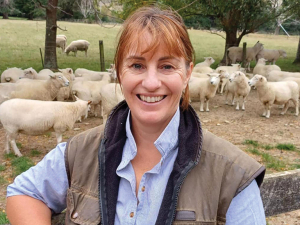
B+LNZ's Wormwise veterinarian Mary Bowron has won the Best Sheep and Beef Vet of the Year Award in recognition of her outstanding contribution to New Zealand’s sheep and beef sector.
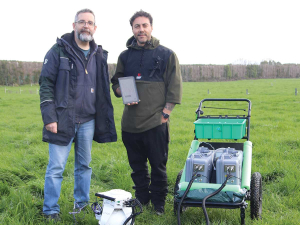
Researchers at Massey University are using a special piece of scientific equipment to improve the measurement of greenhouse gas emissions from pasture soils.
More signs of a booming kiwifruit sector.
OPINION: David Seymour and James Meager's plan to make it easier for farmers and orchardists to operate drones can best be described a 'courageous' move.
New Zealand wool is reaching new heights as air filtration companies move away from synthetic products to biodegradable alternatives.
Opuha Dam's ability to protect South Canterbury communities from major flooding has taken a significant step forward, with Opuha Water Limited (OWL) successfully commissioning a new outlet valve capable of releasing record volumes of water from the dam ahead of a weather event.