Resilient Global Dairy Industry Overcoming Volatility
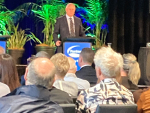
Fonterra chief executive, Richard Allen says being resilient has helped the dairy industry overcome extreme volatility in recent years.
 increase font size
 Andrew Hoggard.
Fonterra's lifting of the current season payout to $6.15/kgMS highlights the revival in the fortunes of dairy farms, says Federated Farmers.
The favourable forecast wasn’t unexpected and reflects the recent trend of increasing global dairy prices, which has fostered more confidence amongst the markets.
“This is great news and comes after a turbulent few years where the industry has been under the pump,” says Andrew Hoggard, Federated Farmers dairy chair.
Based on Fonterra’s forecast and current production cycles, about $280 million dollars is expected to flow through the New Zealand dairy sector and provincial communities this season.
“If you take on board the amount of milk we are producing at present this means the average dairy farm will be about $23,000 dollars better off.
“This will enable farmers to invest in their business and farm infrastructure, which has perhaps not been a priority in the past two years in trying to survive the challenging times.
“We’ll also have more money to [spend on achieving] our environmental goals, the focus for many farmers in spite of modest returns from their businesses.”
NZ dairying employs at least 40,000 workers and contributes much to regional economic development.
“The regional economies and service centres will also be boosted as farmers prepare to spend again, now they are more certaint about their businesses.”
Fonterra’s predicted payout of $6.50/kgMS would mean a further $650m going into provincial economies.
Fonterra chief executive, Richard Allen says being resilient has helped the dairy industry overcome extreme volatility in recent years.

Northland farmer Greg Collins has taken over as chair of the Fonterra Co-operative Council.
Farmers will wait it out like the rest of the country as the composition of the incoming government remains up in the air.
Fonterra’s 2026 financial year was a year of delivery, with record volumes of milk collected, processed and shipped by the co-op.
Dairy farmers, still holding onto their Fonterra shares despite switching milk supply elsewhere or exiting the industry, now face a stricter share sell-down requirement.

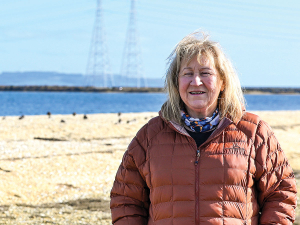
For 15 years, Glenda Rees has travelled from Gore to Awarua, often several times a week, to keep watch over one of the country’s rarest birds.
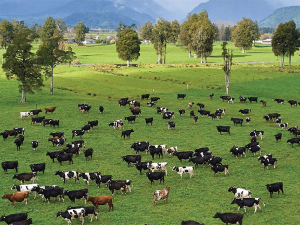
With some farmers opposing a government-industry partnership set up to develop methane reducing products, one NZ company claims that it already has a product on the market.
During the nesting season, from September to December, industrious starlings can quickly build nests in the darker areas behind tractor and vehicle, usually close to hot engines, typically resulting in localised damage or in some cases complete write-offs.
The meat processing industry is much more collegial than it was in the past and is now more focused on common goals.
With the last couple of months having seen some potential tractor purchases put on hold with the impending election and continued input cost rises, year-to-date figures, ending September, has seen deliveries up around 5% over the same period in 2025, with a total of 2026 units.
Beef+Lamb New Zealand is calling for nominations for director roles in the Northern South Island and Northern North Island electoral districts.