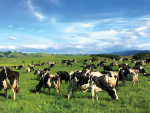
South Canterbury processor Synlait Milk says milk supply has not been affected despite prolonged dry weather in the region.
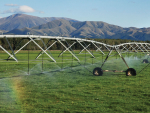
Synlait chief executive John Penno says almost all suppliers have reliable irrigation water access and milk supply remains at budgeted levels.
“This is consistent with what we’ve seen in the past with dry weather, which Canterbury farmers are used to. We have reviewed the factors at play and do not expect it to have much of an impact on our milk supply,” says Penno.
“However, we are monitoring the situation closely as weather conditions may change this position at any stage.”
Penno points out that a benefit of the mid-Canterbury region Synlait operates in is that nearly all Synlait suppliers are irrigated with reliable water sources. Those who aren’t are largely in high rainfall areas.
“We’ve been in touch with a large number of our farmers. It’s tough for them at the moment, but most of them are upbeat and share our view that the weather we’re experiencing is not unusual and they are expecting low levels, if any, of lost production at this stage.
“Overall, the majority of our suppliers have access to reliable irrigation water and with longer sunshine hours this can actually mean good pasture production on farm. On the other hand, if irrigation water becomes unusually restricted, farmers will be weighing up what measures they can put in place in the context of the season’s low forecast milk price.”
Synlait has also recently announced autumn premium payments to encourage suppliers to produce more milk late in the season.
Synlait’s Board will review its milk price at their next meeting in late January and an announcement will be made following that.
Penno says Synlait shareholders will likely want to understand how both weather conditions and any milk price update impacts the business, therefore a statement will be released to the NZX following that meeting.
Meanwhile milk collection for Fonterra in New Zealand is tracking 4% higher than last year.
Fonterra says it has collected 972 million kgMS for seven months to December 31, 4% higher than the same period last year.
But the rate of growth has continued to slow, largely driven by reduced South Island production triggered by dry weather.
North Island collection in December reached 125 million kgMS, 4% higher than December last season. Some rain fell in many dairy regions, supporting grass growth and increased milk production.
South Island collection in December reached 76 million kgMS, just 1% higher than December last season.
Growing conditions have improved in Southland after a cold start to the season. However, dry conditions are impacting pasture growth across the east coast of the South Island.