DairyNZ Resilient Pastures Trial Expands Across North Island
Farms across the upper North Island are trialling different pasture mixes as part of a research programme that aims to build greater resilience into farming systems.
 increase font size
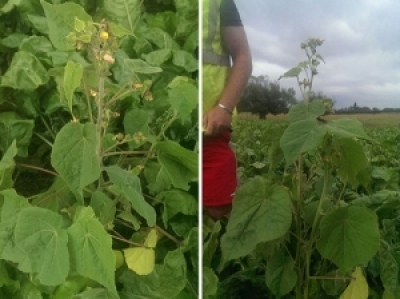 Left: Velvetleaf plant in fodder beet crop. Right: Velvetleaf plants grow from 1m to 2.5m tall. Image: MPI.
Bay of Plenty Regional Council biosecurity staff are warning local landowners to check that machinery is clean and stock are empty before allowing them through their gates this Gypsy Day.
Gypsy Day (June 1) is traditionally the first day of the new dairying season when sharemilkers load their cows into stock trucks or herd stock on roads and move equipment and families to new farms.
"Velvetleaf is not just a fodder beet seed issue. The Waikato Regional Council has been working to contain a velvetleaf infestation found in Waikato maize crops and silage," says Bay of Plenty Regional Council biosecurity manager Greg Corbett.
"Velvetleaf is just one of many pasture weeds we're working hard to keep out of the Bay of Plenty. Along with Noogoora bur and alligator weed, its seeds or plant fragments can easily be carried from one property to another in stock faeces, hooves, fur or soil attached to machinery. It's important that landowners protect their land and livelihoods by being their own border control."
Bay of Plenty farmers can keep invasive pasture weeds off their farms by checking where maize feed, stock or machinery has come from and making sure it's not bringing any unwanted pests with it when it comes onto their farm.
Corbett says key precautions landowners should take are to ask contractors and new tenants to remove all visible soil and plant matter from their machinery and stock, before they leave their last location.
"Allowing stock to empty out before transport will also reduce the risk of seed being spread through cow dung," says Corbett.
More information about pasture weeds and machinery hygiene is available at www.boprc.govt.nz/pestplants
Farms across the upper North Island are trialling different pasture mixes as part of a research programme that aims to build greater resilience into farming systems.
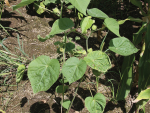
Classified as an unwanted organism under the Biosecurity Act, the invasive weed velvetleaf can be resistant to many herbicides, making it difficult to control, while statistics note it has the potential to reduce yields by up to 70%.
Zespri says it welcomes the recently signed Western Bay of Plenty Regional Deal, describing it as an important step towards supporting growth in the region and for New Zealand's kiwifruit industry.
Tracing has indicated that the source of the first velvetleaf find of the 2025-26 crop season, in Auckland, was likely maize purchased in the Waikato region.
Velvetleaf (Abutilon theophrasti) is an annual broad-leaved herb, originating in China, that can grow between 1 and 2.5 metres tall, with large heart-shaped leaves and yellow-orange flowers.



Waikato milk processor Tatua has again declared a record milk payout to farmer shareholders, leaving other processors in the dust.

A Labour-led Government won’t be bringing back the controversial freshwater rules of 2020.
National’s much-touted free trade deal with India featured in the Rural Issues Debate at Mystery Creek, Hamilton on Wednesday night.
New Zealand's 2026-27 freshwater fishing season has opened, with anglers encouraged to head to rivers and lakes over the coming days as conditions look favourable across much of the country.
Central Otago District Council (CODC) has voted against a plan to spread treated sewage sludge from Cromwell and Alexandra on farmland near Lauder, a decision Federated Farmers says reflects strong opposition from rural residents.
Pāmu has released its FY26 Integrated Annual Report, reporting a Net Operating Profit of $113 million, more than double the $49 million recorded in FY25.