Fonterra FY26 Results: $9.69 Milk Price, $3.4bn Profit
Fonterra has unveiled its annual results for the 2026 financial year, posting $27 billion in revenue and close to $20 billion returned to New Zealand farmer owners and unit holders.
 increase font size
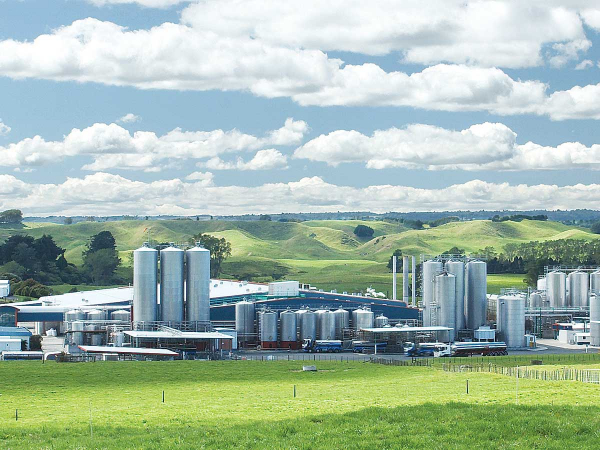 Fonterra says it owns 29 farms around its factories to irrigate with excess water from manufacturing plants.
Fonterra says it is looking at the most responsible ways to take care of any excess water from manufacturing processes.
The co-operative says it cares about the environment and the communities in which it operates.
In a statement posted on its website, the co-op says it is always looking for ways to improve, and one area that’s always a focus for them is water. The co-op came under fire last week after media reports that a Cambridge couple Neville and Denise Ross discovered higher than acceptable levels of nitrates in their bore drinking water. The couple live near Fonterra’s Buxton Farm, which had been used to irrigate wastewater from the company’s Hautapu factory a few kilometres away.
Fonterra says it owns 29 farms for the primary purpose of nutrient management. Water coming from manufacturing plants is irrigated on these farms.
The co-op says each manufacturing site has different requirements in relation to water treatment and meeting its own regional limits and environmental standards.
“When managed well, we can use the treated water from our factories to help grow grass and other crops such as hemp.
“We can then harvest these crops for worthwhile uses such as making animal feed. This provides us with a nice circular model for nutrient management.
“This is the model we have in place in Hautapu where we’ve been operating a ‘cut and carry’ farm for a couple of years.”
The co-op rejects the term ‘ghost farm’ used by some media.
“You may have heard these referred to as ‘ghost farms’, as there aren’t any cows on them – but that’s not a real term,” it says.
“It’s actually that we’ve created an alternative use for this land, which enables us to grow crops, using water from our sites to provide the nutrients required for them to grow well.”
It says the treatment processes are designed to ensure the impacts on the environment are acceptable and remain within the limits set by regional councils.
But Fonterra says it is looking at improving its operations to fit with the changing landscape.
“As the land-use around our factories has changed over time and is starting to become more residential, it’s important we change our approach to nitrogen management too.
“We’re looking for ways to improve our operations to fit with the changing landscape. This is why we want to invest over the next 5 to 10 years to upgrade our waste water treatment facilities at our Hautapu, Edgecumbe, Whareroa, Maungaturoto, Te Awamutu, Longburn, Reporoa, Kapuni and Clandeboye sites.
“In the meantime, in Hautapu we’re constantly monitoring levels. When we do become aware of cases that come close to the limits, we help by offering to install filters on residents’ water supplies.
“Safe drinking water is a serious issue and it’s important to understand the science on this topic. We work closely with the regulators and science providers to ensure our wastewater operations meet the needs of the environment and the community around them.”
Fonterra has unveiled its annual results for the 2026 financial year, posting $27 billion in revenue and close to $20 billion returned to New Zealand farmer owners and unit holders.
Fonterra Co-operative Group has confirmed the independently assessed candidates standing for election to its board in 2026.
Fonterra has revised its Farmgate Milk Price forecast for the 2026/27 season, lifting the midpoint and narrowing the range on the back of improving global dairy commodity prices.
Outgoing Fonterra Co-operative Council chair John Stevenson says that it has been a privilege to represent the co-op's farmer shareholders.
OPINION: It seems Canterbury processor Synlait is still in the doldrums.


Federated Farmers says it welcomes Labour's commitment to reviewing the Sharemilking Agreements Act, calling on other major parties to do the same.
For Canterbury dairy farmers Sian Meijer and Rick Wobben, wearable technology has become one of their most valuable on-farm tools - helping manage 1850 cows across an expansive, high-performing dairy operation while improving efficiency, mating outcomes and day-to-day decision making.
Fonterra has unveiled its annual results for the 2026 financial year, posting $27 billion in revenue and close to $20 billion returned to New Zealand farmer owners and unit holders.
The first major update to the Dairy Cattle Code of Welfare in more than a decade has been released, marking what DairyNZ describes as an important step in ensuring animal welfare standards continue to evolve alongside scientific evidence and on-farm realities.
Ravensdown shareholders have elected Jane Montgomery and Kate Acland to the Ravensdown Board for three-year terms, following a closely contested director election.
Federated Farmers says new legislation replacing the Resource Management Act will cut red tape, unlock investment and help grow New Zealand's export-led economy, after the Planning Bill and Natural Environment Bill passed their third reading in Parliament yesterday.