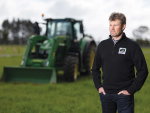
Rural Mobile Coverage Worse After 3G Shutdown, Survey Finds
Mobile phone coverage and reliability are deteriorating in rural areas, and farming families are bearing the cost, according to a Federated Farmers survey.
 increase font size
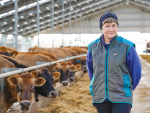
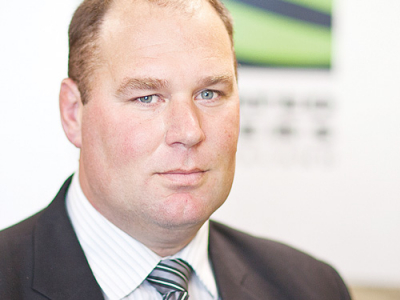 Federated Farmers Dairy chairman Andrew Hoggard.
The sooner farmers install walk-on loading ramps for bobby calves the better, says Federated Farmers Dairy chairman Andrew Hoggard.
His comments are prompted by recent videos made by the animal rights group Farmwatch.
Hoggard told Dairy News that farmers must knuckle down and build the ramps (which become mandatory next season), or face ongoing criticism about how bobby calves are loaded onto trucks bound for the processing works.
He says the present controversy is exaggerated because many people, including some media, have not watched all the footage handed to MPI by Farmwatch. Also, the media are playing this year’s video alongside last year’s, confusing and blurring the issues.
Loading calves onto trucks requires physically handling them and lifting them up onto the tray. A truck driver needs to be about seven feet tall to do the job properly, Hoggard says.
“To be fair to these truck drivers, I’m not sure I could have got [the calves] onto the truck any more gently. Last year we saw some pretty callous handling by truck drivers, but this year, while it looked a bit rough, they’d been doing it all day and it didn’t seem like there was malice in it or disregard for the animals. But it highlights the need for loading platforms.”
But Hoggard was unimpressed with video showing a person dragging a calf along the ground. “That was bad and if I’d seen that on my farm it would have been a disciplinary matter.”
But he says complaints about calves not being handled properly and put in crates behind a quad are not valid; this is normal farming practice, exactly what he does on his farm.
“This needs to be properly explained. We pick the calves up after they have been born because it’s for their welfare. If we left calves on the mothers there would be the impacts on the mothers. It’s hard, but it is something we have to work our way through and get some better understanding of why these actions happen.”
If farmers were required to do what the animal rights people want, it would make spring an impossible time of year, instead of just difficult, Hoggard says.
NZ dairy farmers are constantly criticised despite all the good work they and the industry are doing. This contrasts sharply with what happened in Australia when the milk price to dairy farmers slumped.
“The public were saying they would be willing to pay more for milk to support their farmers, whereas here it’s constant whinging about the price of milk,” Hoggard says.
“It all goes back to the ‘dirty dairy’ campaign which, as an industry, we denied a little too long. We tried to push back, but had we accepted the challenge a lot sooner things may have been different.”
Hoggard says the industry now needs to move forward.
Mobile phone coverage and reliability are deteriorating in rural areas, and farming families are bearing the cost, according to a Federated Farmers survey.
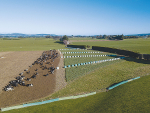
Central Otago District Council (CODC) has voted against a plan to spread treated sewage sludge from Cromwell and Alexandra on farmland near Lauder, a decision Federated Farmers says reflects strong opposition from rural residents.
Federated Farmers has called on Central Otago District Council (CODC) to drop or vote down a plan to truck sludge from Alexandra and Cromwell to farmland near Lauder, warning it would compound an "outrageous" situation created by a separate council's decision weeks earlier.
Federated Farmers says new legislation replacing the Resource Management Act will cut red tape, unlock investment and help grow New Zealand's export-led economy, after the Planning Bill and Natural Environment Bill passed their third reading in Parliament yesterday.
Leading figures from the major political parties will be questioned on their primary sector policies at the Rural Issues Debate at Mystery Creek Events Centre, Hamilton, on 30 September.

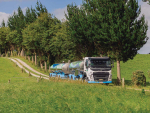
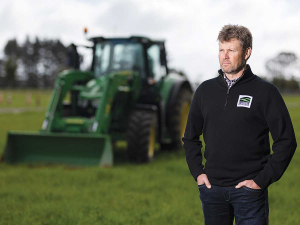
Mobile phone coverage and reliability are deteriorating in rural areas, and farming families are bearing the cost, according to a Federated Farmers survey.

HelloFresh New Zealand has launched a limited-edition Country Cookout Box of Southern-inspired meals, arriving as the 2026/27 rodeo season gets underway.
Beef + Lamb New Zealand Incorporated (BLNZ Inc) is marking 40 years of promoting red meat to New Zealand consumers, citing its taste, family meals and nutritional benefits.
Pāmu has welcomed Taranaki student Paige Burston as its newest First Foundation Scholar, supporting her journey towards a career in agriculture and animal science.
Farmer-owned fertiliser company, Ballance Agri Nutrients is welcoming National’s plan to negotiate security agreements with key supplier countries to protect New Zealand-bound products from export restrictions and greater supply chain certainty.
Carrfields has announced the appointment of Stu Hall to the newly created role of chief operating officer, Carrfields Ltd, reflecting the continued growth of their agribusinesses and the need to ensure the company has the leadership capacity and support in place as it pursues the emerging opportunities ahead.