Irrigation scheme still to proceed
A multimillion-dollar irrigation scheme for South Canterbury will still go ahead despite falling short of its capital-raising target.
 increase font size
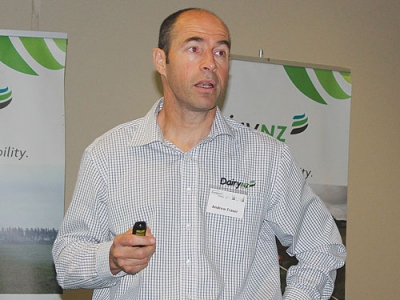 Andrew Fraser, DairyNZ brand manager.
Dairy farmers are more popular than they probably realise, says Andrew Fraser, DairyNZ brand manager.
Farmers see negative headlines about dairying and assume they reflect public sentiment. But the latest DairyNZ survey, held in November, of 1500 non-farming people showed two thirds were either “very positive” or “somewhat positive” in their impressions of dairying.
This was probably higher than most dairy farmers would expect. “We are doing all right, we are travelling pretty well,” Fraser told the DairyNZ Farmers Forum in Kerikeri. The result was good considering the survey followed an election in which the Greens campaigned on water quality.
The result was similar to previous surveys but an interesting change was a 10% increase in the “very positive” and a 10% decrease in the “somewhat”, although the overall two-thirds positive result remained about the same as in previous surveys.
“It will be interesting to see if that trend continues,” said Fraser.
DairyNZ also asked those surveyed what they thought about other industries. Tourism is the poster child, it can do no wrong. Beef and lamb is up there, but dairy came in third, not too far behind despite all the headlines. “People don’t believe everything they read.”
Fraser said there had also been positive headlines about farming, but farmers tended to be “sensitised” to the negative ones.
DairyNZ also dug a bit deeper and asked people ‘What’s important to you?’ (Participants were asked to rate 10 attributes from first to third.) “As you could guess, ‘protect the environment’ was the big one,” Fraser said. “This is a value really important to New Zealanders and so it is very important to us to perform here.”
The second most popular attribute was ‘world leading’. The public like us to do well, such as the All Blacks or being the world’s largest dairy exporter, Fraser said. “That’s a good story and that resonates with them.”
A surprise survey finding was that ‘be relatable and genuine’ was rated third. “That’s saying that people like the idea of the farmer as the backbone of the country – good, solid salt-of-the-earth, they contribute to the economy, great to have a beer with down at the pub, they would probably change your tyre on the side of the road, involved with the community. That idea of the dairy farmer they value a lot. Even though they might not be very connected to the farmer these days, it is still important to them.”
General responses ranged across a wide spectrum, from the ‘dirty dairying’ accusation to ‘I understand they have been working hard on this’ or ‘dairy farmers in my experience are aware of environmental values’.
“So some of those messages are getting through,” said Fraser. “This is where dairy farmers have talked to people in the community. You guys are the best advocates to sell your story. It is coming through in our research; they remember that and that affects perception.”
Survey respondents had a very positive perception of dairy farmers, Fraser said. His favourite quote was, “If my child wanted to be a dairy farmer, I would be more than happy to encourage them. I think they would have to be intelligent, hard-working and tenacious to succeed.”
A multimillion-dollar irrigation scheme for South Canterbury will still go ahead despite falling short of its capital-raising target.
About $50 million has been pruned from the costs of a proposed South Canterbury irrigation scheme.
The proposed multi-million dollar Hunter Downs Water (HDW) irrigation scheme aims to provide certainty for South Canterbury farmers and for generations to come.
Another year has almost passed us by – again – and it is time for the annual review of 2015's good, bad and ugly in regards to the primary sector as seen by the Rural News editorial team...
The end of the year is fast approaching so some end of year thoughts on a few of the significant developments of the year to wrap things up!

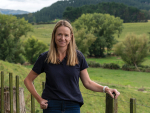
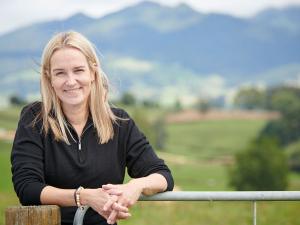
Minister of Conservation Hon Tama Potaka has appointed Susan O'Regan as Chair of the Queen Elizabeth II National Trust (QEII) for a three-year term.
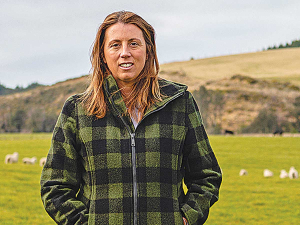
Red meat farmers are welcoming Labour’s plan to review the Emissions Trading Scheme and not to campaign on pricing agricultural emissions.
Where any worker in the kiwifruit industry is mistreated, we expect the authorities to take action.
Mid Canterbury Federated Farmers arable chair, Bevan Lill, said Beef + Lamb NZ data indicated that for the last six years, the average arable return on investment was about 0.8% while inflation ran about 4% - so the average arable farm was going backwards at about 3% a year.
Seed and grain companies share the concerns of arable farmers about the viability of their sector, says Seed and Grain New Zealand chief executive Dr Sarah Clark.
The New Zealand Institute of Forestry (NZIF) says unnecessary changes to New Zealand’s Emissions Trading Scheme (NZ ETS) will seriously erode investor confidence and result in significant reductions in forest planting rates.