Federated Farmers Urges Farmers to Vote on November 7
With less than a week to go before voters choose the next government, Federated Farmers has a simple message to its members - get out and vote.
 increase font size
 Richard McIntyre
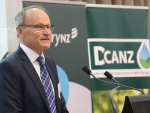
Federated Farmers dairy chair Richard McIntyre, who sharemilks in the Horowhenua, says the past year has not been easy.
He says interest rates, rising costs and a lower milk price is stretching farmers' budgets to the limit. He says the first six months of this season were terrible, but a good summer and autumn have seen things pick up. He says getting maize planted was a challenge but says the yield appears to be good, despite the late planting.
McIntyre was one of a few farmers who took a punt and spent extra money and bought supplement specifically to get his cows in good condition for mating and this has worked out well for him. But for him and others, the shortage of skilled labour remains a big problem and one that is not just confined to the farm.
"A lot of our support industries are also short staffed, for example, the people who service tractors. Some are a little less experienced than in the past and so things aren't running efficiently on farm because it's hard to get your tractors fixed. It costs more to do it and it takes longer because there is a shortage of mechanics," he says.
McIntyre says farmers are also concerned about killing space at the works, not only for cull cows but also bobby calves.
With less than a week to go before voters choose the next government, Federated Farmers has a simple message to its members - get out and vote.

Federated Farmers has welcomed new rural policies released by ACT, saying they align closely with its own election priorities.
A farmgate milk price of $10/kgMS this season is firming up as milk powder prices soar and the New Zealand dollar weakens.
Federated Farmers is backing Feilding High School’s call to keep Agriculture and Horticultural Science as a standalone subject in Year 11.
National’s pledge to introduce 19 new national standards shows the party is serious about getting Wellington out of farming, Federated Farmers says.


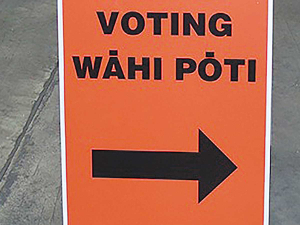
OPINION: As election day looms, rural NZ seems to have pressed the pause button – held somewhat in limbo on an orange light.

Will drones be the answer to tackling the problem of wasp and hornet nests high up in trees and other inaccessible places?
Canterbury milk processor Synlait has come through tough times and is now ready to scale up from a stable base, says its newly confirmed CEO Leon Fung.
NZPork says a ham made in New Zealand is not necessarily made from New Zealand pork.
Rural Contractors NZ says proposed changes to land transport rules for agricultural vehicles are a welcome response by the Government to out-of-date regulations which have seen members hit with huge fines.
With New Zealand’s greenhouse gas emissions in the spotlight, Auckland scientist Nathan Balasingham says there’s a better way to tackle the problem than shrinking cow numbers or fertiliser usage.