International Day of Rural Women: Two DairyNZ Farmers’ Stories
Today, 15 October, is the International Day of Rural Women, which recognises rural women’s contribution to farming, communities and the environment.
 increase font size
 Tim Mackle
Dairy Farmers are playing their part in tackling climate change alongside all other sectors.
That's the view of DairyNZ chief executive Tim Mackle, commenting on a new UN climate change report.
The IPCC's Sixth Assessment Report (AR6) summarises the latest climate change science from around the world. It outlines recommendations including that more must be done to meet the global target of limiting warming to 1.5 degrees Celsius.
"New Zealand is world-leading by legislating a split gas target in the Zero Carbon Act. This recognises methane is a short-lived gas and requires a different target to the long-lived carbon dioxide," Mackle explains.
"Farmers are making changes to measure, manage and reduce emissions, including changes to farm practice, as well as adopting new technologies and solutions as they become available."
He says DairyNZ, along with other partners, is investing millions in researching options - such as methanogen vaccine and inhibitors, selective breeding of low methane animals, low methane forages, genetics research, reducing nitrous oxide and leaching, and technology uptake.
"Our sector is doing a huge amount of work to support farmers with practice changes too."
Mackle says dairy farmers are leading the way in understanding their emissios profile through Farm Environment Plans - 3400 are complete now and all dairy farmers will have a plan by 2025.
"Dairy farmers are also extensively plantinf native trees on farms or through catchment groups, that act to store carbon (sequestration)," he adds.
"New Zealand's agricultural emissions have stabilised and improving farming practices see us 25% more emissions efficient at producing dairy compared to 1990."
Mackle says this has been achieved through the hard work, commitment and investment by our farmers.
"We want to preserve New Zealand dairy farmers' position as the most sustainable in the world with our pasture-based, high quality, safe and nutritious dairy products."
He points to the dairy sector involvement in He Waka Eke Noa (HWEN), a climate change partnership between the primary sector, Government and Māori, supporting farmers and growers to measure, manage and reduce emissions.
HWEN will include farmers and growers being incentivised to take action through an appropriate pricing mechanism by 2025.
"The dairy sector also wants to work in partnership with the Government to deliver a clear long-term science strategy that will focus our joint efforts and ensure funding is directed to the right places. This must be an urgent priority."
However, Mackle says investment in rural digital connectivity is needed to enable farmers to have better reporting and rapid uptake of new technologies to drive down emissions."
"We need access to as many tools as we can to meet this challenge. There are currently significant barriers to getting methane reducing technology in the hands of farmers," he adds.
"These include regulatory barriers and lack of research facilities which prevent New Zealand from developing technology that is fit-for-purpose for our pasture-based systems."
Key Facts
Today, 15 October, is the International Day of Rural Women, which recognises rural women’s contribution to farming, communities and the environment.
The first major update to the Dairy Cattle Code of Welfare in more than a decade has been released, marking what DairyNZ describes as an important step in ensuring animal welfare standards continue to evolve alongside scientific evidence and on-farm realities.
Have a plan in place for your cows and staff.
For the first time in a quarter of a century, Federated Farmers has something positive to say about the Labour Party’s climate change policy leading into a general election.
DairyNZ deputy chair Cameron Henderson has been re-appointed unopposed for another term.


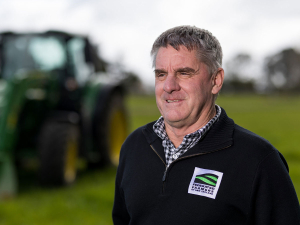
National’s pledge to introduce 19 new national standards shows the party is serious about getting Wellington out of farming, Federated Farmers says.
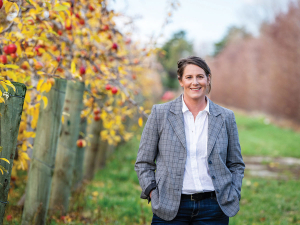
The National Party’s policies to make it easier to grow fresh vegetables, secure reliable water and energy and simplify farm planning are practical changes that will give growers the confidence to invest, according to Horticulture New Zealand (HortNZ).
Fonterra Co-operative Group chief financial officer Andrew Murray has resigned to take up a role outside the dairy giant.
A major move is about to get underway to improve the quality and viability of dairy beef and cattle in NZ.
Veterinarians say changes to the code of welfare for dairy cattle provides a positive foundation for improved cattle welfare across the country.
Today, 15 October, is the International Day of Rural Women, which recognises rural women’s contribution to farming, communities and the environment.