Fonterra FY26 Results: $9.69 Milk Price, $3.4bn Profit
Fonterra has unveiled its annual results for the 2026 financial year, posting $27 billion in revenue and close to $20 billion returned to New Zealand farmer owners and unit holders.
 increase font size
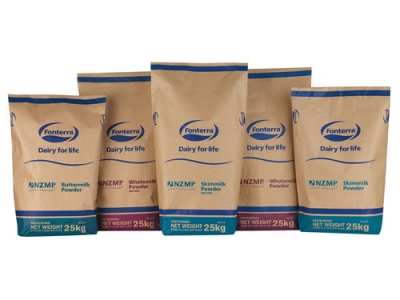 Milk powder prices tumbled.
It's been another bad morning for the dairy industry.
This morning's GlobalDairyTrade auction saw the GDT price index down 7.9%, its third consecutive drop.
Worryingly, milk powder prices tumbled; whole milk powder was down 11% to US$2148/tone and skim milk powder down 8% to US$1851/tonne.
Fonterra says whole milk powder prices should stay around the US$3000/tonne to mark to justify the current forecast payout for the season; the co-op is forecasting a milk payout of $4.60/kgMS.
This week it increased its forecast earnings per share range for the current financial year to 45-55 cents, a lift of 5c.
Fonterra chairman John Wilson told journalists that he expects global dairy prices to firm in the first half of next year.
Key Results of this morning's GDT event;
AMF index down 5.9%, average price US$3,430/MT
Butter index up 5.6%, average price US$2,709/MT
BMP index down 1.0%, average price US$1,825/MT
Ched index down 5.0%, average price US$2,874/MT
LAC index down 2.0%, average price US$503/MT
RenCas index down 4.4%, average price US$5,250/MT
SMP index down 8.1%, average price US$1,851/MT
WMP index down 11.0%, average price US$2,148/MT
Fonterra has unveiled its annual results for the 2026 financial year, posting $27 billion in revenue and close to $20 billion returned to New Zealand farmer owners and unit holders.
Fonterra Co-operative Group has confirmed the independently assessed candidates standing for election to its board in 2026.
Fonterra has revised its Farmgate Milk Price forecast for the 2026/27 season, lifting the midpoint and narrowing the range on the back of improving global dairy commodity prices.
Outgoing Fonterra Co-operative Council chair John Stevenson says that it has been a privilege to represent the co-op's farmer shareholders.
OPINION: It seems Canterbury processor Synlait is still in the doldrums.


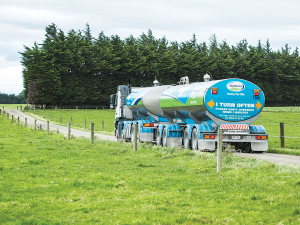
Fonterra has unveiled its annual results for the 2026 financial year, posting $27 billion in revenue and close to $20 billion returned to New Zealand farmer owners and unit holders.
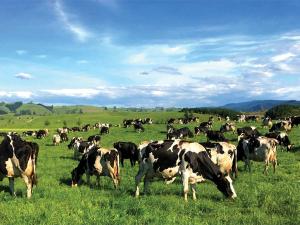
The first major update to the Dairy Cattle Code of Welfare in more than a decade has been released, marking what DairyNZ describes as an important step in ensuring animal welfare standards continue to evolve alongside scientific evidence and on-farm realities.
Ravensdown shareholders have elected Jane Montgomery and Kate Acland to the Ravensdown Board for three-year terms, following a closely contested director election.
Federated Farmers says new legislation replacing the Resource Management Act will cut red tape, unlock investment and help grow New Zealand's export-led economy, after the Planning Bill and Natural Environment Bill passed their third reading in Parliament yesterday.
Leading figures from the major political parties will be questioned on their primary sector policies at the Rural Issues Debate at Mystery Creek Events Centre, Hamilton, on 30 September.
OPINION: Have a plan in place now!