Fonterra FY26 Results: $9.69 Milk Price, $3.4bn Profit
Fonterra has unveiled its annual results for the 2026 financial year, posting $27 billion in revenue and close to $20 billion returned to New Zealand farmer owners and unit holders.
 increase font size

Fonterra and the Department of Conservation (DOC) have announced a $20 million community investment to improve the natural habitats of some key waterways around New Zealand over the next 10 years.
Initially, Fonterra and DOC will work with local communities to make a difference to the water quality at five waterways in key dairying areas:
• Kaipara Harbour
• Firth of Thames
• Waikato Peat Lakes
• Te Waihora-Lake Ellesmere
• Awarua-Waituna
As part of Fonterra's Living Water initiatives, Fonterra director John Monaghan and the Minister of Conservation Dr Nick Smith officially launched the 10-year investment at Lake Areare, a Peat Lake in the Waikato.
Monaghan says Fonterra and DOC will work together to make these waterways living examples of how dairy farming and natural New Zealand environments can work alongside each other.
DOC director general Al Morrison said quality waterways are pivotal to maintaining the healthy environments which protect native wildlife and also underpin a sustainable dairy industry.
As the expert in conservation and biodiversity, DOC will work with Fonterra, local communities, iwi and farmers to help clean up waterways and wetlands at the five selected catchment areas. This will include planting trees alongside streams and rivers to improve water quality, managing pests and weeds and making sure that the right habitats are in place around farms to enhance biodiversity and provide homes for native fish and birds.
Monaghan says the work with DOC will build on the good progress made by Fonterra's Catchment Care programme, which has seen improvements to two million square metres of land and waterways through planting, weeding and other volunteer work over the past three years.
"Working together with DOC is part of Fonterra's Living Water initiative and the long-term commitment we are making to do what's right for the land and waterways in their communities," he says.
Monaghan says that while improving water quality and on-farm water management practices has been a priority for Fonterra and our farmers for a number of years, the dairy industry still has work to do.
"This initiative with DOC is part of our ongoing determination through all of our Living Water initiatives to work together, and engage with local communities to make a real difference to the health of waterways."
Local Waikato farmer, Bas Nelis, says it is great Fonterra is working on both sides of the farmgate to make a difference to water quality and the environment.
"I believe farming is going to be here for a long time ahead of us, I'm still young so I want to look after this farm for the next generation, for my kids, to make sure it is sustainable for the future."
For more information, visit fonterralivingwater.com
Fonterra has unveiled its annual results for the 2026 financial year, posting $27 billion in revenue and close to $20 billion returned to New Zealand farmer owners and unit holders.
Fonterra Co-operative Group has confirmed the independently assessed candidates standing for election to its board in 2026.
Fonterra has revised its Farmgate Milk Price forecast for the 2026/27 season, lifting the midpoint and narrowing the range on the back of improving global dairy commodity prices.
Outgoing Fonterra Co-operative Council chair John Stevenson says that it has been a privilege to represent the co-op's farmer shareholders.
OPINION: It seems Canterbury processor Synlait is still in the doldrums.

Federated Farmers says it welcomes Labour's commitment to reviewing the Sharemilking Agreements Act, calling on other major parties to do the same.
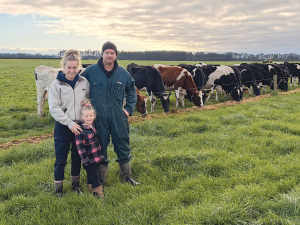
For Canterbury dairy farmers Sian Meijer and Rick Wobben, wearable technology has become one of their most valuable on-farm tools - helping manage 1850 cows across an expansive, high-performing dairy operation while improving efficiency, mating outcomes and day-to-day decision making.
Fonterra has unveiled its annual results for the 2026 financial year, posting $27 billion in revenue and close to $20 billion returned to New Zealand farmer owners and unit holders.
The first major update to the Dairy Cattle Code of Welfare in more than a decade has been released, marking what DairyNZ describes as an important step in ensuring animal welfare standards continue to evolve alongside scientific evidence and on-farm realities.
Ravensdown shareholders have elected Jane Montgomery and Kate Acland to the Ravensdown Board for three-year terms, following a closely contested director election.
Federated Farmers says new legislation replacing the Resource Management Act will cut red tape, unlock investment and help grow New Zealand's export-led economy, after the Planning Bill and Natural Environment Bill passed their third reading in Parliament yesterday.