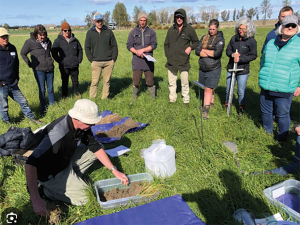
Rural Women New Zealand (RWNZ) and Massey University are joining forces to help raise awareness and funds to combat leptospirosis.
“Leptospirosis is a nasty flu-like illness which is unfortunately on the rise again in floodaffected regions as it can be spread through contaminated water,” RWNZ national president Gill Naylor says.
“We have a proud history over the past 50 years in raising awareness and much needed funds to better control the disease.
By making leptospirosis our national project until June 2025 we can again mobilise our members across the country.
“This is especially important as New Zealand has one of the highest rates of leptospirosis in countries with temperate climates in the world.”
Massey University Professor of Veterinary Public Health Jackie Benschop says last year there were 170 cases notified, nearly all in people living rurally.
“This is the tip of the iceberg as there are many cases missed because lepto can look like Covid or the flu and there are issues with getting a diagnosis.
“Our data shows that 70 per cent of people suspected of having leptospirosis are not tested for it.
“Protecting yourself against lepto need not be too difficult and mimics good farm management like vaccinating stock, adopting good hygiene practices, wearing PPE, controlling effluent, waterways and rodents and training your staff and visitors.
“Above all, if you are feeling unwell, seek help early. Tell your doctor lepto may be the cause and ask to be tested.”
Benschop says any funds raised as part of the national project will help further their research with the aim of better understanding leptospirosis in humans, animals and the environment to reduce the burden of the disease.
Leptospirosis is a bacterial infection of humans and animals.
Farmers, their families, meat workers, vets, stock agents and rural transport truck drivers are among those most exposed to the bacteria in New Zealand, which is shed in the urine of infected animals, such as deer, pigs, cattle, sheep and dogs, as well as wild mammals (rats, mice, possums, hedgehogs) and passed on to humans through cuts in the skin or through the membranes of the eyes, nose or mouth. Overseas, flooding and poverty are the most common exposures.
In infected humans, leptospirosis presents as a serious flu-like illness, which if not treated promptly can lead to long-term health effects and in rare cases – death.
Massey University reports that lepto leads to hospital admissions in 70% of cases, with half of patients experiencing longer term illness.
Symptoms in Humans and Cows
Symptoms can feel like a bad case of the flu and can include:
- Fatigue
- Fever
- Chills
- Headache
- Muscle aches and pains
- Nausea
- Diarrhoea
- Abdominal pain
- Sensitivity to light
- Cough.
Symptoms of severe illness can include kidney and liver damage. Some people may be unable to return to work for months and in severe cases, unable to return at all due to symptoms of chronic fatigue. The disease can keep coming back. There is also overseas research indicating the disease may cause miscarriages in pregnant women and a cautious approach is recommended.
Livestock tend to be infected with lepto strains that are well adapted to them, so stock appear unaffected yet still shed the bug in their urine. When impacted by poor nutrition, floods or other stressors, stock may show reduced production and reproduction.
However, when infected with a different strain and if that is combined with severe stress then severe outbreaks of the disease can occur with death in young stock and abortion storms.