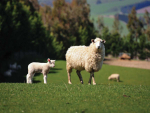
Early Weaning Lambs: What the Massey Trials Found
Farmers with high-quality feed available in late spring could consider weaning at least a proportion of their lamb crop early to benefit both lambs and ewes.
 increase font size
 Paul Drew, SealesWinslow.
Dairy farmers have the perfect tool at their disposal this calving season to set their herds up for future productivity – the rumen in their replacement heifer calves.
Raising healthy replacement heifer calves that efficiently turn feed into milk is fundamental to the future of New Zealand’s dairy herd, says SealesWinslow quality and technical manager Paul Drew.
“Farmers have a single fundamental tool at their disposal that can help them grow the most efficient dairy cows possible and that’s the rumen in their replacement heifer calves,” says Drew.
The rumen is a vital part of a calf’s stomach, responsible for fermenting solid feeds and forages and turning them into usable energy. For a calf to thrive, its rumen needs to develop quickly and effectively. Drew says the key to achieving that is getting enough starch into their diets to kickstart the development of gut microbes.
“These microbes are essential for fermenting feed and producing volatile fatty acids, which are crucial for energy production,” he says.
“Feeding a starch-rich diet from early on helps grow the calf’s rumen from a small, underdeveloped organ into a fully functional part of the stomach that can efficiently digest and absorb nutrients, enhancing the animal’s future milk production and profitability."
Cows with fully developed rumen functions become feed-efficient machines which supports initiatives like Fonterra’s Scope 3 emissions that are targeting a 30% reduction in onfarm emissions by 2030. Fonterra has signalled it expects to achieve 7% of that reduction through farming best practices such as feed quality and improving herd performance. “By focusing on starch-rich diets, farmers have a golden opportunity to rear replacements that become super-efficient at turning feed into milk, enhancing both production and profitability while contributing to the industry’s sustainability efforts,” says Drew.
Starch is a powerful energy source. The byproducts of starch fermentation in the gut, particularly volatile fatty acids, provide up to 75% of the energy needs of a fully developed cow.
“By feeding your calves high-starch feeds, you ensure they get the energy they need to grow strong and healthy,” says Drew.
Starch not only fuels growth but also enhances the structure of the rumen wall. The rumen wall needs to develop finger- like projections called papillae, which increase the surface area for nutrient absorption.
“Calves fed with starch-rich diets show significantly better development of these papillae, allowing them to absorb more nutrients and grow faster which all adds up to better efficiency,” says Drew.
“Calves fed with highquality feed with a good starch content reach target weights faster and reduce the overall amount of feed needed. By incorporating starchrich feeds into your calves’ diet, you help fire up the biggest tool you have to grow a more productive dairy herd.”
Farmers with high-quality feed available in late spring could consider weaning at least a proportion of their lamb crop early to benefit both lambs and ewes.
The first major update to the Dairy Cattle Code of Welfare in more than a decade has been released, marking what DairyNZ describes as an important step in ensuring animal welfare standards continue to evolve alongside scientific evidence and on-farm realities.
Bovine Viral Diarrhoea (BVD) is sometimes viewed as a dairy industry issue, but the reality is that the disease can have serious consequences for beef breeding herds as well.
Good Calf shed hygiene has always been about providing clean, dry bedding.
Animal health company Bovonic is gearing up for its next stage of growth after increasing New Zealand sales of QuadSense by more than 50% in the last 12 months, including a record quarter for the business this year.



Alliance is calling for final applications for its 2027 Graduate Programme, with applications closing on Sunday 25 October.
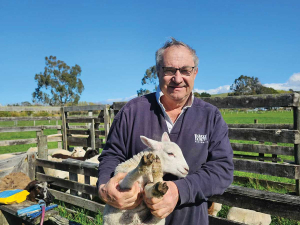
Decades piloting planes has ensured vet and farmer David Hayes is focused on safety. So, after a serious accident while welding on farm, he is sharing his experience so others can learn from it.
Canterbury milk processor, Synlait Milk has confirmed Leon Fung as its chief executive officer.
OPINION: Making it easier to collect rainwater and use it to grow crops and livestock is a no brainer.
As part of its Election 2026 coverage, Rural News asked political parties how they would help pull the arable sector out of the doldrums. Here's what they said:
Farmers are being encouraged to rethink how they manage waste on farm with the launch of ruralwastesorted.co.nz, a new website bringing together practical tips, real farmer experiences and resources.