LIC Chief Says BVD Eradication in NZ Is Within Reach
A dairy industry leader believes eradicating the common and costly disease, Bovine Viral Diarrhoea (BVD) is within reach.
 increase font size
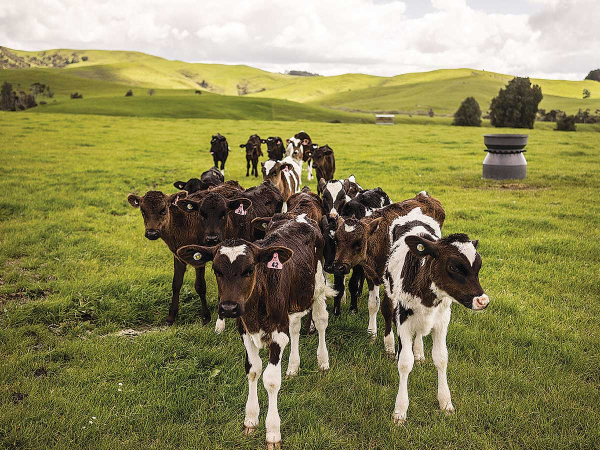 BVD is a complex disease, and no single action can effectively manage all risks.
Bovine Viral Diarrhoea (BVD) remains one of the most significant infectious diseases affecting New Zealand dairy herds.
While many farmers recognise the name, recent research suggests there is still a gap between awareness and effective control.
A nationwide survey of New Zealand farmers and veterinarians conducted last year found that many farmers tend to focus on a single BVD control measure, whether that’s vaccination, testing, or biosecurity. Veterinarians, however, were much more likely to recommend a combination of approaches. The reason is simple: BVD is a complex disease, and no single action can effectively manage all risks.
For dairy farmers, BVD can quietly erode herd performance through reduced fertility, lower milk production, poorer growth rates in youngstock, and increased susceptibility to other diseases. Often the biggest losses are never directly linked to BVD because the virus can circulate in a herd without obvious clinical signs.
The most damaging effects occur when pregnant animals are exposed to the virus. Infection during early pregnancy can result in embryo loss, abortions, or the birth of persistently infected (PI) calves. These PI animals are the primary source of infection within and between herds because they continuously shed large amounts of virus throughout their lives.
A single PI animal can expose numerous susceptible cattle.
One of the challenges with BVD is that PI animals are not always easy to identify. While some appear unhealthy or fail to thrive, others can look completely normal. This means a farmer may be unknowingly carrying the source of infection within the herd.
The good news is that there are proven tools available to reduce the impact of BVD.
The first step is understanding your herd’s current status. Regular bulk milk monitoring can provide valuable insights into whether recent virus exposure has occurred within the herd. When monitoring suggests active infection may be present, veterinarians can advise on additional testing to identify potential PI animals.
Biosecurity also plays a critical role. Dairy farmers should consider all sources of cattle movement onto and off the farm, including purchased animals, replacement heifers, contract grazing arrangements, returning youngstock and introduced bulls. Even occasional contact with infected cattle can create a pathway for BVD to enter a herd.
Protecting future pregnancies is equally important. Because unborn calves are at greatest risk, vaccination can play an important role in reducing the likelihood of fetal infection and the creation of PI calves. However, vaccination works best when combined with monitoring, testing and biosecurity measures.
The survey conducted last year highlighted an important point: many farmers rely on only one layer of protection. Yet BVD control is most effective when several management tools work together.
Think of it like mastitis control. Dairy farmers don’t rely on a single practice to maintain udder health. They combine multiple strategies such as milking hygiene, dry cow management, monitoring and treatment protocols. BVD requires a similar mindset.
Many farms have measures in place to manage BVD, but important gaps can still exist. To help identify potential risks, MSD Animal Health has created a BVD Decision Guide that farmers can work through with their veterinarian.
Based on the answers, the guide helps farmers and veterinarians identify potential gaps in their current BVD approach and discuss practical actions to address them. These may include testing, identifying and removing PI animals, strengthening biosecurity, vaccination, and ongoing monitoring.
The key message from both veterinarians and recent farmer research is that BVD control is not a single action. It is an ongoing management plan.
While no farm can eliminate every risk, those that combine monitoring, testing, biosecurity and vaccination are generally better positioned to reduce the impact of BVD and protect productivity.
If you’re unsure whether your current approach covers all the bases, now is a good time to sit down with your veterinarian and work through the BVD decision guide. The decisions made before mating can have benefits that last well beyond the current season.
Andrew MacPherson is veterinary technical advisor, MSD Animal Health
A dairy industry leader believes eradicating the common and costly disease, Bovine Viral Diarrhoea (BVD) is within reach.
Farmers with high-quality feed available in late spring could consider weaning at least a proportion of their lamb crop early to benefit both lambs and ewes.
The first major update to the Dairy Cattle Code of Welfare in more than a decade has been released, marking what DairyNZ describes as an important step in ensuring animal welfare standards continue to evolve alongside scientific evidence and on-farm realities.
Bovine Viral Diarrhoea (BVD) is sometimes viewed as a dairy industry issue, but the reality is that the disease can have serious consequences for beef breeding herds as well.
Animal health company Bovonic is gearing up for its next stage of growth after increasing New Zealand sales of QuadSense by more than 50% in the last 12 months, including a record quarter for the business this year.



Massey University is best placed to solve the “problems” facing the dairy industry, says vice chancellor, Pierre Venter.
Synlait's longest serving employee – a man who joined the Canterbury-based milk processor even before it began processing milk – is now its newest executive.
A dairy industry leader believes eradicating the common and costly disease, Bovine Viral Diarrhoea (BVD) is within reach.
A farmgate milk price of $10/kgMS this season is firming up as milk powder prices soar and the New Zealand dollar weakens.
Federated Farmers has welcomed new rural policies released by ACT, saying they align closely with its own election priorities.
Rural Contractors NZ says proposed changes to land transport rules for agricultural vehicles are a welcome response by the Government to out of date regulations which have seen members hit with huge fines.