Innovation Awards 2026 Winners Showcase Primary Sector Ingenuity
The bright ideas of New Zealand's primary sector have been celebrated with an announcement of the winners of the 2026 Innovation Awards.
 increase font size
 Sixty-three applicants have been invited to showcase automation, robotics, and AI innovations, alongside practical on-farm, efficiency-increasing devices and ‘problem-solvers’ at the Fieldays Innovation Awards.
The Fieldays Innovation Awards competition has attracted a diverse and impressive array of innovations from across the primary industries, highlighting the growing importance of technology shaping the future of farming.
Sixty-three applicants have been invited to showcase automation, robotics, and AI innovations, alongside practical on-farm efficiency-increasing devices and 'problem-solvers' at the event.
"What stands out is the breadth of areas the entries come from, with ground-breaking ideas that redefine sustainability, automation, and efficiency," says Fieldays programme manager Steve Chappell.
"These include eco-friendly materials that transform waste into valuable resources to AI-powered tools optimising livestock management alongside precision monitoring, and crop growth."
A range of entrants see 33 in the Prototype category, 32 in the Early-Stage sector, and eight in the Growth & Scale competition.
Five participants of 19 years old or younger are also in the running for the Young Innovator of the Year award.
The bright ideas of New Zealand's primary sector have been celebrated with an announcement of the winners of the 2026 Innovation Awards.
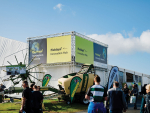
Fifty-eight selected individuals, companies, and start-ups will exhibit their ideas and cutting-edge solutions at the 2026 Fieldays Innovation Awards, with Amazon Web Services (AWS), who joins the programme in 2026 as overall sponsor.
The New Zealand National Fieldays Society is calling for entries to the 2026 Fieldays Innovation Awards, with successful applicants showcased during Fieldays 10–13 June, at Mystery Creek.
Entries have opened for the 2026 Fieldays Innovation Awards.
Back at the 2022 National Fieldays Innovation Awards, Jade Luxton, then a Year 13 pupil at St Pauls Collegiate School in Hamilton, was taking out a Highly Commended Award in the Young Innovators Category.


Dunedin-based company MastaPlex, which provides on-farm mastitis diagnostic platform globally, has named a new independent director.

An independent importer says National’s fertiliser security policy will only work if protects all players.
Nesting birds are behind around $1.2 million worth of tractor fire claims every year, according to rural insurer FMG, which is urging farmers to check under the bonnet before starting work.
Having Ravensdown as the naming rights sponsor of the Canterbury A&P Show demonstrates their confidence in the show as a long-term venture, says Canterbury Agricultural and Pastoral Association (CAPA) board chair Sir David Carter.
OPINION: As election day looms, rural NZ seems to have pressed the pause button – held somewhat in limbo on an orange light.
Will drones be the answer to tackling the problem of wasp and hornet nests high up in trees and other inaccessible places?