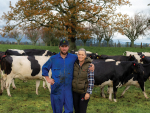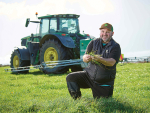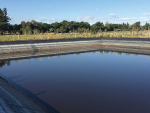
Dairy Effluent Management: Right Amount at the Right Time
Good effluent management on a dairy farm combines a well-designed system with proper processes to ensure the right amount of effluent gets applied to pasture at the right time.
 increase font size
 There is no need for nervousness about Healthy Rivers, says Bayleys country manager Simon Anderson.
Recent comments by BNZ agribusiness head John Janssen about risks supposedly posed by Healthy Rivers plans to rural land values are questionable, says Bayleys country manager Simon Anderson.
There is no need for nervousness, Anderson says.
The Healthy Rivers plan – the latest one is for the Waikato and Waipa rivers -- requires rivers, and the lakes within their catchments, to be swimmable and fishable within 80 years.
The plans result from the government’s National Policy Statement on Freshwater Management. They are prompting changes in how farms will operate in coming years, e.g. tighter controls on key nutrients such as nitrogen and phosphate, and on bacteria levels and sediment losses.
But Anderson says the plans have lengthy timeframes so that, realistically, farmers – and communities -- can work to improve water quality.
“The Waikato plan has an 80-year timeframe to bring that goal to reality. These changes will not come overnight, and they are being clearly signalled.”
And extensive consultation periods are allowed: the Waikato plan allows 80 working days for submissions, pushing the closing date well beyond the standard 20 days, into next autumn.
“With one million hectares in the Waikato catchment… its communities deserve that sort of time to consider how to respond to such a far reaching plan,” Anderson says.
A report earlier this year by dairy consultant Phil Journeaux is shows that moves to reduce farming’s environmental footprint could somewhat depress land values over coming years, Bayleys says.
Journeaux reckons the national impact of environmental constraints on farm production could depress farm land value by $16.8m. His work shows that a farm’s location in regard to community and recreation facilities and schools can more strongly affect its value than can its profitability.
But there’s a catch in a farm’s proximity to rivers and lakes: this could harm its value as time goes by.
Waikato registered valuer Byron Gray, of Curnow Tizard, says it is too early to say whether the Healthy Rivers plan is affecting property values. The proposed rules may cause some properties to rise in value, including those limited in scope for conversion to arable use.
“For example, growth in Pukekohe is causing growers to look for [cheaper] land elsewhere; this is particularly evident in Matamata and Pukekawa,” says Gray.
“A restriction on land-use changes may lead to increased competition for arable land in the medium term.”
He says properties where the farmer is working on environment issues, for example, planting waterways, and those already compliant with the proposed rules, are likely to be more valuable than properties needing work to comply.
“More farmers are planting riparian strips to absorb phosphate losses, and native trees and wetlands to soak up nitrogen loss, and they are fencing around waterways… adding aesthetic and economic value.”
Bayleys North Canterbury rural specialist Dean Pugh says buyers of rural real estate know about the nutrient regimes in different regions, and the need to take specific catchment regulations into account when making land use and value decisions on properties.
Good effluent management on a dairy farm combines a well-designed system with proper processes to ensure the right amount of effluent gets applied to pasture at the right time.
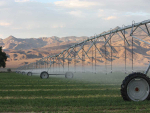
For years, IrrigationNZ has called for a coordinated national approach to water security, backed by enabling regulation, strategic infrastructure investment and sound technical practice. As the 2026 general election approaches, many of these priorities are now reflected in political commitments and legislative reforms. That represents significant progress, but the real measure of success will be turning policy into practical outcomes, says IrrigationNZ principal technical officer Stephen McNally.
OPINION: The farm policy on the table this election, what it could mean for land, and why the market you're in today still matters most
There's been widespread support from the primary sector for the Government's announcement on changes to freshwater farm plans that come under the Natural Environment Bill, which is now set to replace the existing RMA.
Today marks the first day of operations for Waikato Waters, a new council-controlled organisation established by six district councils to deliver water and wastewater services for their communities.



During the nesting season, from September to December, industrious starlings can quickly build nests in the darker areas behind tractor and vehicle, usually close to hot engines, typically resulting in localised damage or in some cases complete write-offs.
The meat processing industry is much more collegial than it was in the past and is now more focused on common goals.
With the last couple of months having seen some potential tractor purchases put on hold with the impending election and continued input cost rises, year-to-date figures, ending September, has seen deliveries up around 5% over the same period in 2025, with a total of 2026 units.
Beef+Lamb New Zealand is calling for nominations for director roles in the Northern South Island and Northern North Island electoral districts.
Fonterra chief executive, Richard Allen says being resilient has helped the dairy industry overcome extreme volatility in recent years.
The head of the Ministry for Primary Industries (MPI) trade and international relations group says New Zealand is well-positioned to secure trade access and compete internationally as the world becomes more complicated, demanding and uncertain.