Milk Powder Prices Prop Up Farmgate Milk Price
Milk powder prices are keeping farmgate prices up, helping processors offset the dip in milk fat prices.
 increase font size
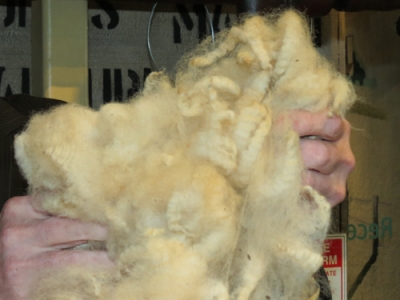
The North Island wool auction this week remained mostly firm except for the higher volume of shorter shears, which eased, compared to last week.
New Zealand Wool Services International Limited's marketing executive, Paul Steel reports that the weighted indicator for the main trading currencies eased slightly by 0.4% compared to the last sale on 7th May.
Of the 5,500 bales on offer, 98% sold.
Steel says that continued requirement for China saw the Fine Crossbred Shears range from firm to 2.5% dearer. Coarse Crossbred Full Fleece were firm to 2% stronger.
Longer Coarse Shears were 1 to 2.5% firmer with shorter shears, which made up over 50% of the offering, ranging from firm to 2% cheaper.
Long First Lambs fleece remained steady with shorter lamb's wool 1.5 to 2% easier.
Good colour short oddments were 1% cheaper with poor styles firm to 5% lower.
China dominated the auction, supported by Australasia, India, Western Europe and the Middle East.
The next sale on 21st May in the South Island is for approximately 10,000 bales, 4,000 bales above roster. The small volume of previous passed in wools held back by growers is coming forward for sale, attracted by recent improved local price levels.
Milk powder prices are keeping farmgate prices up, helping processors offset the dip in milk fat prices.

New Zealand wool is reaching new heights as air filtration companies move away from synthetic products to biodegradable alternatives.
Chinese beef trade quotas and a looming suspension of Brazilian beef imports into the European Union are expected to reshape global beef trade flows over the remainder of 2026, with implications for New Zealand exporters, according to Rabobank's Q3 Global Beef Quarterly report.
Will a stronger, more coordinated voice help rebuild confidence and improve returns in the wool sector?
Ballance Agri-Nutrients has released its latest fertiliser outlook, detailing some of the current global trends influencing fertiliser supply. Ballance head of procurement Shane Crean takes part in a Q&A in the report:


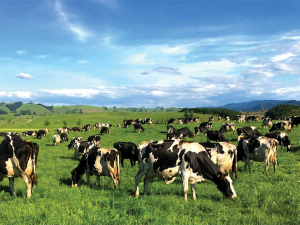
Most dairy regions around the country have had a pretty good season so far says Tracy Brown.

Rural leader Mark Hooper has been appointed as an independent director to the NZPork board, bringing extensive farming, governance and advocacy experience to the role.
Opportunity says its land value tax (LVT) is unlikely to force farmers into a position where asset sales or increased debt are required.
Milk powder prices are keeping farmgate prices up, helping processors offset the dip in milk fat prices.
Climate, nature and animal wellbeing make up Fonterra's refreshed sustainability roadmap released last week.
The Government is introducing a new nationwide rural recycling scheme that will significantly increase the recovery of farm plastics from March next year, Minister for the Environment Nicola Grigg announced today.
