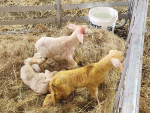
Beef + Lamb NZ's Lambing Kit Checklist for a Tough Season
With lambing underway in many regions, Beef + Lamb New Zealand is encouraging farmers to put together a wellequipped lambing kit to help minimise lamb losses, particularly in bad weather.
 increase font size
The ongoing fallout from the Brexit result, continued minimal activity from China and a strong New Zealand dollar have compounded to make significant inroads into local wool values.
New Zealand Wool Services International chief executive John Dawson reports the weighted currency indicator compared to last sale lifted 0.66%, however against the GBP the New Zealand dollar strengthened a further 4.4% making a shift of over 13% since the Brexit announcement.
Market sentiment is bearish as many clients take a cautious approach during this unsettled period.
Of the 7500 bales on offer, only 54% sold as buyers become very selective, only covering immediate requirements.
Dawson advises that compared to last sale on June 30:
• Fine crossbred shears were 7 to 10% cheaper.
• A nominal selection of average style coarse full length fleece were 1 to 2% easier with poor style 9% cheaper.
• Coarse early shorn and second shears which made up 62% of the offering were 5.5 to 10% cheaper, with the shorter wools affected the most.
• Coarse Oddments were 3 to 7% easier.
Activity was restricted with exporters only covering requirements for prompt shipment mainly for Australasia and the Middle East, with limited activity for Western Europe, China and India.
Next sale on July 14 comprises about 5600 bales from the South Island, down on anticipated roster due to poor weather.
With lambing underway in many regions, Beef + Lamb New Zealand is encouraging farmers to put together a wellequipped lambing kit to help minimise lamb losses, particularly in bad weather.

New Zealand wool is reaching new heights as air filtration companies move away from synthetic products to biodegradable alternatives.
Will a stronger, more coordinated voice help rebuild confidence and improve returns in the wool sector?
OPINION: Confidence in the wool sector is rebounding as prices hit levels not seen in more than 15 years.
The recently signed free trade agreement with India is an invitation to strengthen relationships between the New Zealand and Indian strong wool industries, says Wool Impact chief executive Andy Caughey.


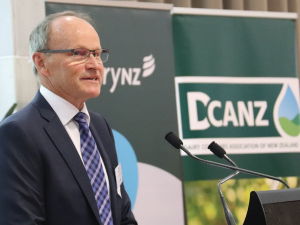
Dairy processors are ready to further boost New Zealand’s export earnings but want the incoming government to match their ambition with good policy.

Massey University is best placed to solve the “problems” facing the dairy industry, says vice chancellor, Pierre Venter.
Synlait's longest serving employee – a man who joined the Canterbury-based milk processor even before it began processing milk – is now its newest executive.
A dairy industry leader believes eradicating the common and costly disease, Bovine Viral Diarrhoea (BVD) is within reach.
A farmgate milk price of $10/kgMS this season is firming up as milk powder prices soar and the New Zealand dollar weakens.
Federated Farmers has welcomed new rural policies released by ACT, saying they align closely with its own election priorities.
