
Grape Days 2026: AI Adoption and Vineyard Research Insights
Generative AI in the workplace, trials in the field, and industry-relevant research took centre stage at this year’s Grape Days events in Central Otago, Hawke’s Bay and Marlborough.
 increase font size
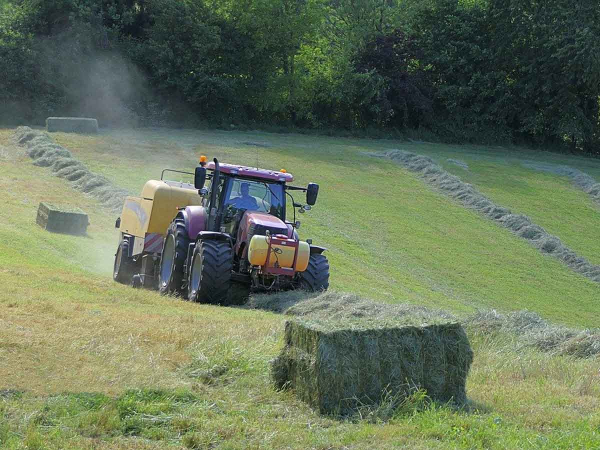 Trackers are enabling UK police to recover more stolen machinery.
An increase in the use of trackers is enabling UK police to recover 100s of 1000s of pounds worth of stolen machinery.
According to FarmingUK, Police Scotland recovered £893,000 (NZ $1.72 million) worth of tractors, quad bikes and other farm machinery in 2019.
Such recoveries are continuing into 2020, with £400,000 (NZ $770,000), or 130 vehicles, recovered in the first four months of the year.
FarmingUK says according to insurance provider NFU Mutual, farmers are increasingly using Construction and Agricultural Equipment Security and Registration (CESAR) markings and fitting tracking systems approved by British Insurance research house, Thatcham.
CESAR was established in 2008 as an official construction and agricultural equipment security and registration scheme to prevent theft.
The scheme, paid for by farmers with a one-off cost, offers Datatag ID technologies, a 24/7 UK Contact Centre, and instant access to its database by police.
Scotland Partnership Against Rural Crime (SPARC) coordinator Alan Dron says farmers’ increased uptake in the scheme has been fundamental in helping police to recover stolen machinery.
Generative AI in the workplace, trials in the field, and industry-relevant research took centre stage at this year’s Grape Days events in Central Otago, Hawke’s Bay and Marlborough.

Virtual fencing company Halter is going global but for founder Craig Piggott, New Zealand farmers will always remain their main partners.
Use of agricultural drones by contractors in New Zealand is soaring.
Ngai Tahu's legal action seeking self-determination (rangatiratanga) over fresh water could have huge implications for the future of farming, the viability of farming businesses, and our wider rural communities, says Federated Farmers national vice president Colin Hurst.
OPINION: New technologies can promise the world but how do we know if they are delivering?


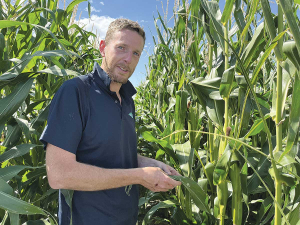
Four years since it was first detected in New Zealand, researchers and growers now know much more about management of maize pest fall armyworm (FAW).
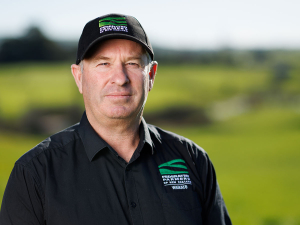
The Government has announced it will pause key parts of Waikato Plan Change 1 (PC1) in a decision that is set to give Waikato farmers a reprieve from new consenting and farm-planning requirements while the wider resource management system is overhauled.
OPINION: The time has come for the Government to back the organic sector.
Plan ahead and be patient. That’s the message to farmers and horticulturalists from the chairman of the NZ Agricultural Aviation Association, Kent Weir.
The industry is crying out for graduates with agricultural related degrees.
While GPS and guidance have become the norm and yield mapping and variable application continues to gain traction, most agricultural machinery manufacturers continue to expand their technology offerings, amalgamating the vast amounts of data being collected to streamline real-time and ongoing management decisions.