Damien O’Connor Criticises Budget 2026 as ‘Miserable’ for Rural New Zealand
A miserable budget that didn’t deliver much for anyone.
 increase font size
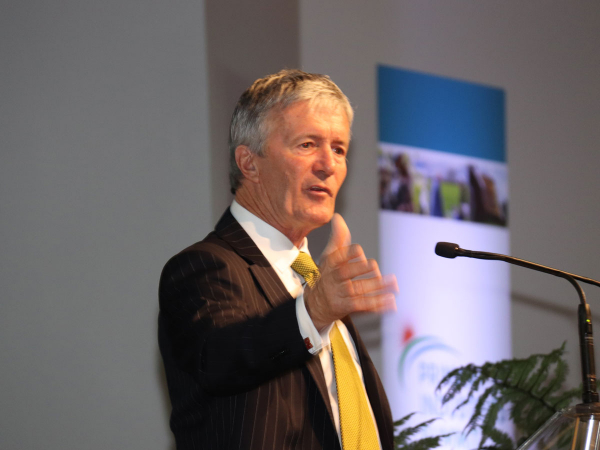 Agriculture Minister Damien O'Connor
OPINION: Moves by the Government to end New Zealand's live export trade is more about politics than ethics.
Sure, it argues that the trade "does not uphold New Zealand's reputation for high standards of animal welfare" and that it does not fit with the country's "social conscience". But that is just - to coin a phrase used by Gulf War veteran General Norman Schwarzkopf - bovine scatology.
These claims do not marry with the actual facts. The reality is that the Government is shutting down a legitimate $500 million trade because it polls well to ban it. The screaming skulls from the likes of SAFE, Greenpeace and other so-called animal activist groups have got in the Government's ear and won them over by feeding constant, unchallenged misinformation about the live export trade to the public.
David Hayman, spokesman for the Animal Genetics Trade Association, is right on the money when he describes the Government's decision as one that is aiming for short-term political kudos.
Agriculture Minister Damien O'Connor's mealy-mouthed concession that the decisions "will affect some farmers, exporters and importers..."
Claims made by critics of the trade that animals suffer and there are high death rates are not borne out by the facts. Transportation of animals from New Zealand is governed by the strictest animal welfare standards in the world. The welfare of each travelling animal is independently verified by vets on behalf of Ministry for Primary Industries, with 99.9% of animals arriving at their destinations in healthy condition.
South Island-based livestock broker Peter Walsh, who has vast experience in the trade, says the ships animals travel from NZ on are professionally run and well manned with high veterinary support. Even O'Connor concedes, "improvements have been made to the practice over recent years".
Unfortunately, the live export trade has suffered from constant misinformation fed to the public by the likes of SAFE and Greenpeace and the Government has listened to them.
Hayman sums it up correctly when he says "This is an ill-informed, massively consequential decision for the nation, to earn short-term political brownie points from a few activists."
Sad, but true. That's political expediency for you.
A miserable budget that didn’t deliver much for anyone.

National's decision to ‘dribble’ information about the NZ/India to Labour contributed to the delay in it deciding to supported the FTA.
OPINION: The coalition Government seems to have chickened out when it comes to live animal exports by sea.
When it comes to international trade, politicians from all sides of the aisle are united, says Labour's trade spokesman Damien O'Connor.
Federated Farmers have reiterated their support for the coalition Government to abolish the present ban on the live export of animals.


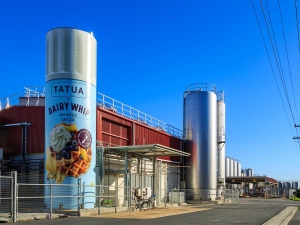
Waikato milk processor Tatua has again declared a record milk payout to farmer shareholders, leaving other processors in the dust.

A Labour-led Government won’t be bringing back the controversial freshwater rules of 2020.
National’s much-touted free trade deal with India featured in the Rural Issues Debate at Mystery Creek, Hamilton on Wednesday night.
New Zealand's 2026-27 freshwater fishing season has opened, with anglers encouraged to head to rivers and lakes over the coming days as conditions look favourable across much of the country.
Central Otago District Council (CODC) has voted against a plan to spread treated sewage sludge from Cromwell and Alexandra on farmland near Lauder, a decision Federated Farmers says reflects strong opposition from rural residents.
Pāmu has released its FY26 Integrated Annual Report, reporting a Net Operating Profit of $113 million, more than double the $49 million recorded in FY25.