El Niño: Be Alert, Not Alarmed, Says Massey Professor
Be alert but not alarmed about El Niño. That’s the message from Professor Danny Donaghy, deputy head of the Massey University’s school of agriculture and the environment.
 increase font size
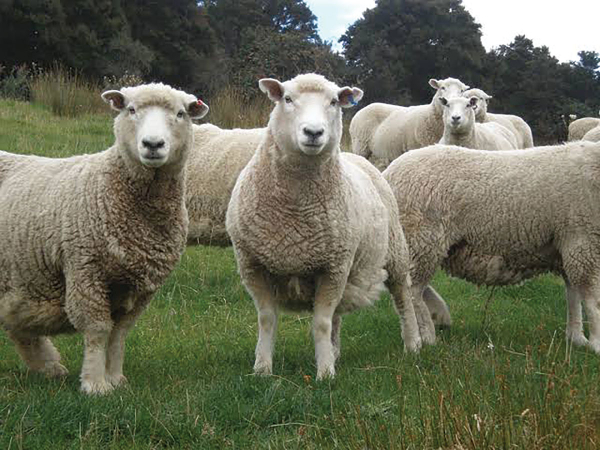 New Zealand’s sheep industry has changed dramatically over the past few decades.
Lamb survival has always been a key driver of sheep farm performance.
With the current strong lamb prices, every extra lamb that survives can make a meaningful contribution to farm profitability. For many sheep farmers, improving lamb survival is one of the most achievable opportunities to lift productivity without increasing ewe numbers.
New Zealand’s sheep industry has changed dramatically over the past few decades. Genetic selection has increased ewe fertility and fecundity and many farmers are now managing larger numbers of twin- and triplet-bearing ewes than previous generations. Alongside these genetic gains, farmers have continually adapted their management systems, refining nutrition, pregnancy management and other practices aimed at improving ewe and lamb performance.
Despite these changes, surprisingly little is known about current lamb survival rates across the New Zealand sheep industry. Many farmers monitor their own flock’s performance closely but there is little national information describing how many lambs survive from scanning or birth through to docking/tailing. Also unknown is how much variation exists between farms, or how survival rates may differ between production systems.
There is also very little information on the pregnancy and lambing management practices currently used on New Zealand sheep farms. Many techniques and approaches are widely discussed within farming communities, but there has been no recent effort to build a comprehensive picture of what farmers are actually doing and how management practices have changed over time.
To help address this knowledge gap, researchers at Massey University are conducting a nationwide survey of sheep farmers. Researcher Dr Anne Ridler explains that the survey represents a starting point for building a clearer picture of lamb survival in modern New Zealand sheep systems. The project aims to better understand lamb survival rates in New Zealand and the pregnancy and lambing management practices being used across the industry. This information will help establish current benchmarks and provide valuable insights into how farmers are managing this important determinant of flock productivity.
The survey is best filled out once lamb docking/tailing is completed. It can found at https://massey.au1.qualtrics.com/jfe/form/SV_8qvwPN9XkfvyTCm.
Be alert but not alarmed about El Niño. That’s the message from Professor Danny Donaghy, deputy head of the Massey University’s school of agriculture and the environment.

Massey University vice chancellor Pierre Venter says his institute is moving from a period of austerity into a growth phase, based on their new strategy.
Massey University is best placed to solve the “problems” facing the dairy industry, says vice chancellor, Pierre Venter.
Vetekina Pau'u is the first Tongan to win the William Gearish Memorial prize and sadly she will also be the last recipient.
With lambing underway in many regions, Beef + Lamb New Zealand is encouraging farmers to put together a wellequipped lambing kit to help minimise lamb losses, particularly in bad weather.

Lamb survival has always been a key driver of sheep farm performance.
For the second time in three weeks, Fonterra has lifted its farmgate milk price, on the back of soaring milk powder prices.
The 2027 East Coast Farming Expo will continue a decade long tradition in bringing the latest innovation, intriguing speakers, industry leaders and more.
Halter has launched Mav, an AI farming assistant that lets dairy farmers ask questions about their herd and pasture and get answers drawn from the data the company’s collars already collect.
OPINION: At first glance it appears that Father Christmas has delivered the rural sector good tidings, with most pundits predicting the return of the centre-right coalition.
For 15 years, Glenda Rees has travelled from Gore to Awarua, often several times a week, to keep watch over one of the country’s rarest birds.