Editorial: Drones Are Not Toys
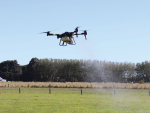
OPINION: David Seymour and James Meager's plan to make it easier for farmers and orchardists to operate drones can best be described a 'courageous' move.
 increase font size
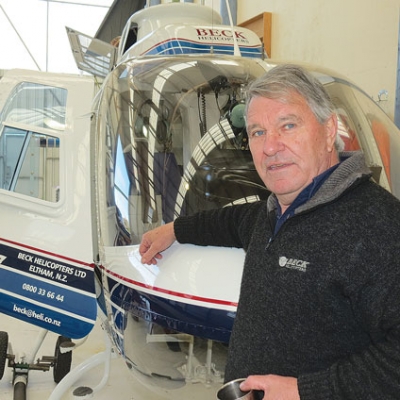 Chairman of the NZ Agricultural Aviation Association Allan Beck.
Agricultural pilots, flying rotary and fixed wing, have again been warned not to overload their aircraft.
The chairman of the NZ Agricultural Aviation Association (NZAAA), Allan Beck says pilots who overload are risking their lives and may get killed or injured. Non-compliance may bring prosecution by the Civil Aviation Authority.
Beck says CAA is conducting a campaign against overloading of agricultural aircraft and already one operator has been put out of business because of this.
He says reports suggest only a few operators are overloading their aircraft, but this is now unacceptable.
“For years overloading was the accepted norm and there is no question that in the early days overloading was the cause of many crashes. But in the last decade there has been a huge shift to take the stress off aircraft and make it safer,” he told Rural News. “If you’re loaded right up to the maximum and you’re going up a gully and you get a sudden wind change you don’t have any reserve. You can’t get rid of the load quickly enough and you’re doomed.
“There is no question overloading has been the cause of many crashes. Our message is, if CAA doesn’t catch you, the grim reaper will,” he adds.
Beck says NZAAA supports what CAA is doing and its initiative in cracking down on overloading. He believes the reason for the problem is the fragile economic state of the industry. Beck says the pressure is on operators, with the severe competition that’s out there, to cut costs to meet clients’ expectation of what they are prepared to pay.
The economics are best illustrated by the way the industry is structured today, he says.
“In 1989 there were 315 operators; today there are just 20, which is a high attrition rate. It could be because of acquisitions, mergers or people going out of business, but whatever the reality it’s a difficult industry today in which to stay economic.”
Beck says that for 40 years the industry has not charged enough for its services. Many operators who have undercut competitors have gone out of business and delicensing hasn’t helped the temptation to overload aircraft.
“It’s so easy for a pilot, once he has got enough time, to head out as an ag pilot and get in the system where he can work for a licensed operator, on his own, and basically take the work off the guy that taught him.
“That’s a ridiculous part of it. All they have got to do is slash the price by 10% and the farmer will say ‘wow’.”
Beck says people need to realise that the ag aviation business is very capital intensive and there are huge costs to maintain aircraft to a standard. In his view, the rates charged by companies over the last 40 years have not been enough to sustain their operations, so many people are no longer in business.
The fert’s still going on
Allan Beck says despite the low dairy payout farmers are still putting on fertiliser. He says his company, operating in the central North Island, has had a good year with orders still flooding in.
It’s clear that dairy farmers realised the need to get their grass to grow well and the only answer is fertiliser, he says.
He has noticed a trend for sheep and beef farmers to applying lime on their properties. He is getting orders for work he hasn’t had before and its mainly for spreading lime.
OPINION: David Seymour and James Meager's plan to make it easier for farmers and orchardists to operate drones can best be described a 'courageous' move.
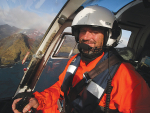
Despite rising prices, it appears that farmers haven't stopped top dressing.
Farmers have taken to social media to express outrage at the Government over a new levy.
Alan Beck a pilot and chairman of the NZ Agricultural Aviation Association, says it’s now socially unacceptable for farmers not to remove electric fence or television wires strung across gullies.
Farmers don't seem to get it. So says New Zealand Agricultural Aviation Association (NZAAA) chair Alan Beck, commenting on farmers understanding their responsibilities to make their farms a safe workplace for agricultural pilots.


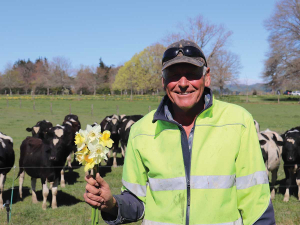
South of the central Hawke’s Bay town of Waipukurau is Taniwha Station – a highly successful 550ha bull beef farming operation.
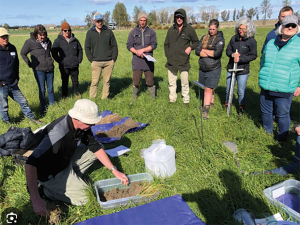
Beef + Lamb NZ funded research has shown that some simple changes to pasture management could help farmers make better use of rainfall and build resilience before dry conditions hit.
OPINION: There could hardly be a more appropriate theme for a conference than the one chosen by the red meat sector - Navigating Volatility.
When Northland leather worker Vernon Suckling started making horse saddles 50 years ago, quad bikes and side-by-side vehicles were unheard of.
Alliance Group has confirmed that eligible farmer-shareholders who supply and continue to back the business will receive up to $20 million later this year, following the strategic investment partnership with Dawn Meats.
With a general election under five weeks away, Rural News is asking major political parties about their policies and positions on key issues facing the primary sector. We will run their responses to each question over the next four weeks. The ACT Party and the Greens didn't respond in time.