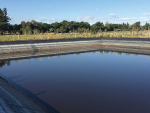
Dairy Effluent Management: Right Amount at the Right Time
Good effluent management on a dairy farm combines a well-designed system with proper processes to ensure the right amount of effluent gets applied to pasture at the right time.
 increase font size

Proposed new regulations for the Waikato and Waipā River Catchments outlined in Plan Change 1 have raised concerns in the agricultural sector.
Federated Farmers says this was clear by the turnout of more than 90 farmers, industry body and council representatives at a public meeting at Ohinewai Hall, organised by Federated Farmers North Waikato District Chair Steven Stark.
Federated Farmers North Island Policy Manager Dr Paul Le Miere says the purpose of the meeting was to provide an opportunity for farmers to gain a better understanding of the recent Plan Change 1 (Healthy Rivers) decision and its implications, and to provide feedback to Feds, Waikato councillors and others.
Le Miere says useful changes have been made to the framework of the plan, but there are remaining concerns and issues around the detail of the proposed regulations that will need to be addressed through the Environment Court Appeal process.
"Rather than wading through the hundreds of pages of council documents themselves, Feds is encouraging farmers to read through our FAQs and focus on the council schedules to understand how PC1 may affect your farm," says Le Miere.
Federated Farmers Auckland president Alan Coles says farmers raised concerns that the new land use controls are not fit for purpose and will not achieve the water quality improvements everyone is keen to see.
Coles says the overall sentiment remains that over-reliance on the consenting process will tie limited resources up in regulatory knots and create perverse environmental outcomes.
Feds Waikato president Jacqui Hahn says the proposed regulations could stifle good farming practices if on-farm decisions are taken out of farmers’ hands and placed in the hands of consent officers who do not have practical on-farm experience.
Hahn says stock controls being applied over Class 6e land were most often referred to as troublesome.
Federated Farmers and other non-farmer submitters are required to file an appeal by the 8th of July 2020. All individual farmer and grower have until the 18th of August 2020.
Good effluent management on a dairy farm combines a well-designed system with proper processes to ensure the right amount of effluent gets applied to pasture at the right time.
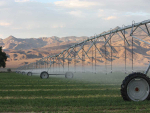
For years, IrrigationNZ has called for a coordinated national approach to water security, backed by enabling regulation, strategic infrastructure investment and sound technical practice. As the 2026 general election approaches, many of these priorities are now reflected in political commitments and legislative reforms. That represents significant progress, but the real measure of success will be turning policy into practical outcomes, says IrrigationNZ principal technical officer Stephen McNally.
Minister of Conservation Hon Tama Potaka has appointed Susan O'Regan as Chair of the Queen Elizabeth II National Trust (QEII) for a three-year term.
OPINION: The stats speak for themselves.
Farms across the upper North Island are trialling different pasture mixes as part of a research programme that aims to build greater resilience into farming systems.



During the nesting season, from September to December, industrious starlings can quickly build nests in the darker areas behind tractor and vehicle, usually close to hot engines, typically resulting in localised damage or in some cases complete write-offs.
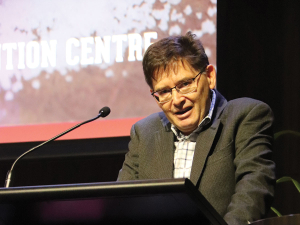
The meat processing industry is much more collegial than it was in the past and is now more focused on common goals.
With the last couple of months having seen some potential tractor purchases put on hold with the impending election and continued input cost rises, year-to-date figures, ending September, has seen deliveries up around 5% over the same period in 2025, with a total of 2026 units.
Beef+Lamb New Zealand is calling for nominations for director roles in the Northern South Island and Northern North Island electoral districts.
Fonterra chief executive, Richard Allen says being resilient has helped the dairy industry overcome extreme volatility in recent years.
The head of the Ministry for Primary Industries (MPI) trade and international relations group says New Zealand is well-positioned to secure trade access and compete internationally as the world becomes more complicated, demanding and uncertain.