An independent panel has been named to advice the Government on what the country’s biogenic methane target should be to ensure no additional warming.
New Zealand’s current legislated methane targets would require an incredibly ambitious 10% reduction in methane by 2030 and a 24 to 47% reduction by 2050. Farmer groups including Federated Farmers have opposed these targets from day one.
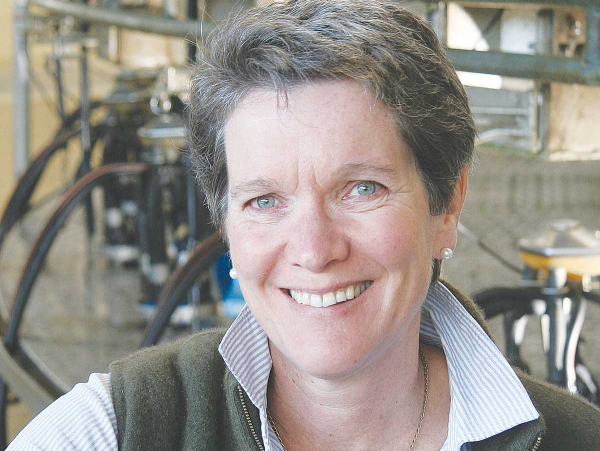
Headed by academic, farmer and former Fonterra director, Nicola Shadbolt the five-member advisory panel will report back to the Government by the end of the year.
Other members are Professor David Frame, University of Canterbury, NIWA principle scientist Dr Sara Mikaloff-Fletcher, Dr Laura Revell, University of Canterbury and Professor Bill Collins, University of Reading.
Agriculture Minister Todd McClay says the Government is delivering on its promise to commence an independent review of the methane science and targets for consistency with no additional warming from agriculture emissions.
Climate Change Minister Simon Watts notes that Shadbolt, who in addition to being a former climate change commissioner is a respected farmer, academic, and director with extensive governance experience.
“The panel’s members are highly-regarded, climate and atmospheric scientists with extensive domestic and international experience on climate change and biogenic methane.”
The panel’s report will complement the Climate Change Commission’s review of the 2050 targets this year and will inform the Government’s response to the Commission’s advice in 2025.
Federated Farmers president Wayne Langford says that an independent review of New Zealand’s methane reduction targets is long overdue and will be welcome news for farmers.
“The current methane reduction targets are incredibly divisive, highly political, and have no credible science to underpin them,” Langford says.
“They’re completely unrealistic, totally unaffordable, and go much further than is needed to stop farmer’s contribution to further warming.
“That’s why an urgent review of these methane reduction targets was one of Federated Farmers 12 policy priorities for the new Government to help restore farmer confidence.”
Langford says the current targets can no way be reached “without simply shutting down farms”.
McClay says the Government is committed to meeting climate change obligations without shutting down Kiwi farms.
“We need to make sure our targets are fair and sustainable,” McClay says.
“New Zealand farmers are some of the world’s most carbon-efficient food producers. It doesn’t make sense to send jobs and production overseas, while less carbon-efficient countries produce the food the world needs.”
Panel Members
- Nicola Shadbolt (Chair) - Professor of Farm and Agribusiness Management, Massey University
- Professor David Frame - Professor of Physics, University of Canterbury
- Dr Sara Mikaloff-Fletcher - Principal Scientist - Carbon Chemistry and Modelling, NIWA
- Dr Laura Revell - Associate Professor, University of Canterbury's School of Physical and Chemical Sciences
- Professor Bill Collins - Professor of Atmospheric Chemistry and Earth System Modelling at the University of Reading.