New Reviva Forage Rape Wins Over Dryland Farmers in First Year
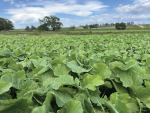
It's only just hit the market, but a new forage rape bred for dryland farms has already won the approval of lambs and young cattle both north and south.
 increase font size
 Jeff Morton
FUNDING FOR science and extension in the sheep and beef industry needs better coordination and Beef + Lamb NZ should step up, says a long-standing New Zealand Grassland Association member and scientist.
“One of the roadblocks to more co-ordinated science and extension in the [sector] is the large number of funding bodies,” Jeff Morton told delegates at the association’s annual conference in Alexandra.
“There is a need for identification of industry priorities by all parties and co-ordination of the funding through one agency, probably Beef + Lamb.”
Delivering the keynote Levy Oration* at the conference, Morton said BLNZ with its levy funds is “a major player”, but other funders such as Ministry of Business, Innovation and Employment with its Pastoral 21 Programme and MPI with its Primary Growth Partnerships and Sustainable Farming Funds make for “a piecemeal approach.”
Inadequate salaries and job insecurity also means there’s a “current and impending shortage” of pastoral scientists to do what work is funded and communicate results to consultants and farmers, he warned.
Newcomers need sound knowledge of farm systems so they understand how their work fits and BLNZ should consider emulating Dairy NZ’s recruitment of students before their final year with funding and a subsequent job working with established scientists, consultants and farmers before returning to post-graduate study and science.
“Beef and Lamb could organise a similar scheme through the Crown Research Institutes,” he suggested.
Farmers looking for a new challenge might be recruited and trained to facilitate extension of applied science findings, he added.
“Science findings need to be robust but they are of little value unless communicated to users in a manner that can be understood and put into practice.”
Morton summed up how to do that with three C-words: contact, co-operation and communication.
“Contact with farmers so you live in their world; co-operation with farmers so that the research you do is relevant to them; communication so that they can understand and apply the research results to their farm.”
BLNZ director Anne Munro was at the conference and told Rural News she would put Morton’s message to the levy body’s board.
* The Levy Oration is an annual address to the NZGA conference by an invited speaker in memory of Sir Bruce Levy, a pioneer in New Zealand grassland research. “The recipient is someone of longstanding recognition and influence in the field,” NZGA president Warwick Lissamann said introducing this year’s oration.
It's only just hit the market, but a new forage rape bred for dryland farms has already won the approval of lambs and young cattle both north and south.
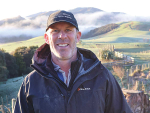
When Simon Hales discovered triple drench resistance on his Weber farm, it was a catalyst to fast-track farm system change.
Ravensdown has reported a net profit before tax and rebate of $50.1 million for the year ended 31 May 2026.
OPINION: Could beef cows play an increasingly important role in improving profitability and resilience on hill country farms?
Building a strong team is one of the biggest drivers of a successful sheep and beef business, but it can also be one of the tougher parts to get right.


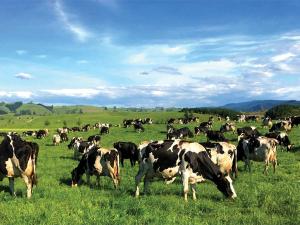
The first major update to the Dairy Cattle Code of Welfare in more than a decade has been released, marking what DairyNZ describes as an important step in ensuring animal welfare standards continue to evolve alongside scientific evidence and on-farm realities.
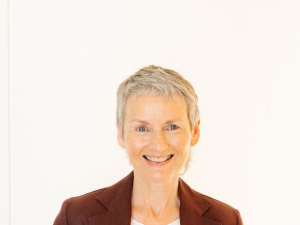
Ravensdown shareholders have elected Jane Montgomery and Kate Acland to the Ravensdown Board for three-year terms, following a closely contested director election.
Federated Farmers says new legislation replacing the Resource Management Act will cut red tape, unlock investment and help grow New Zealand's export-led economy, after the Planning Bill and Natural Environment Bill passed their third reading in Parliament yesterday.
Leading figures from the major political parties will be questioned on their primary sector policies at the Rural Issues Debate at Mystery Creek Events Centre, Hamilton, on 30 September.
OPINION: Have a plan in place now!
Beef + Lamb New Zealand (B+LNZ) says it welcomes the passage of the Natural Environment Bill and Planning Bill, calling the bills a positive step for sheep and beef farmers.