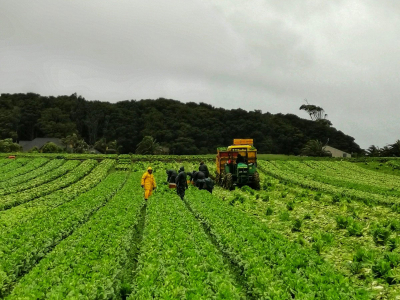
Moves by the Government to protect highly productive land must focus on maintaining the productive capacity of that land, says HortNZ.
It is calling for a national policy that ensures New Zealand can grow enough vegetables and fruit to feed itself, now and in the future, and at affordable prices.
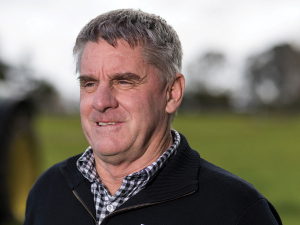
HortNZ chief executive, Mike Chapman says that’s why it supports the Government’s action to protect highly productive land.
“However, policy makers must also remember that the land itself is only one factor in vegetable and fruit growing.
“Growers also need access to water for irrigation, they need to be able to apply sufficient fertilizer, and they need to be able to operate machinery like frost fans and infrastructure like packhouses, 24/7 depending on the time of the year.
“If for any reason, growers cannot do this, they need to have the option to use the land for other purposes.”
Chapman says current debate about the Government’s freshwater management proposals highlights the complexity and challenges of growing vegetables and fruit in New Zealand.
“If a grower cannot apply enough fertilizer to grow a profitable crop because of the impact that fertilizer could have on a nearby waterway, that grower needs to be able to use that land for another purpose.
“On the one hand, we need to protect highly productive land but what use is protecting it, if for other reasons, it cannot be used to feed New Zealanders on a sustainable, commercial basis?
He says with good planning, horticulture and urban and lifestyle development can live side by side and freshwater quality can be improved.
“We’re all in this together. Several New Zealand cities need to grow so people have somewhere to live. New Zealanders living in these cities need fresh vegetables and fruit that can be grown sustainability at affordable prices. At the same time, rural and urban New Zealand need to do more to improve freshwater quality.
“To achieve all these goals, rural and urban New Zealand need to work together and smarter.
“Current Government proposals around highly productive land and freshwater management are a way for rural and urban New Zealand to work in unison, and ensure the decisions that are made today are the right ones for New Zealand’s future.”