MPI Opens New Canberra Position to Support Exporters
In line with New Zealand’s strategy to open up new markets, the Ministry for Primary Industries (MPI) his extending its diplomatic footprint.
 increase font size
 Wools of NZ chief executive John McWhirter.
The Chinese carpet market is worth US$4.8 billion.
And carpets and rugs made from NZ wool are well regarded in the market.
Wools of NZ chief executive John McWhirter says it is rightly valued for its ability to create cleaner and brighter products and for its superior yield through manufacturing.
“As a brand, Wools of New Zealand is held in high regard for its purity and global presence, and being farmer owned, gives our brand unrivalled integrity.”
He expects benefits from sales in the Chinese market to flow back to farmers over time.
“Having a flagship partner that has invested in the Wools of New Zealand brand calls into question other carpet manufacturers that falsely claim to use New Zealand wool which is one of the limiting factors on demand.
“We work hard to protect the reputation of New Zealand wool by ensuring branded products are true to provenance.”
McWhirter points out that Yangxin Ruixin is not a new user of New Zealand wool. “The Wools of New Zealand brand partnership ensures a minimum percentage of our fibre is used within the products (20% more than previously) and, more importantly, means we can work together to grow both businesses, taking market share from both plastic and non-New Zealand wool.
“The partnership is about adding value as well as increased volume. The extra wool required to meet our brand standard is immediately replacing plastic fibre.”
In line with New Zealand’s strategy to open up new markets, the Ministry for Primary Industries (MPI) his extending its diplomatic footprint.

The head of the Ministry for Primary Industries (MPI) trade and international relations group says New Zealand is well-positioned to secure trade access and compete internationally as the world becomes more complicated, demanding and uncertain.
Wools of New Zealand chief executive John McWhirter says its new direct-to-consumer wool carpet service, Laneve, is the next step in the development of the business.
OPINION: The United States wine market has changed forever, and companies cannot use same old playbook, said Erin Kirschenmann at the New Zealand Wine 2026 Wine Business Forum in August.
Election years are always a concerning time for farmers, according to DairyNZ chair Tracy Brown.


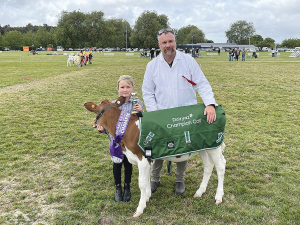
For eight-year-old Myra Smith, weeks of caring for and preparing her Red Holstein Friesian calf, Bell, have paid off, with the young Te Pahu handler taking home the Champion Dairy Type title at the recent Waikato A&P Show held at Claudelands.

A titan of the meat industry but a humble and generous guy.
In line with New Zealand’s strategy to open up new markets, the Ministry for Primary Industries (MPI) his extending its diplomatic footprint.
Demand for dairy products over the next two decades will increasingly be shaped by demographic shifts, rather than population growth alone.
The global dairy industry is fighting back against alternative proteins masquerading as dairy products.
Fonterra farmers are happy to see the board tackle the issue of shares from former milk suppliers.