Lanaco and Blueair Launch World-First NZ Wool Air Filter
New Zealand wool is reaching new heights as air filtration companies move away from synthetic products to biodegradable alternatives.
 increase font size
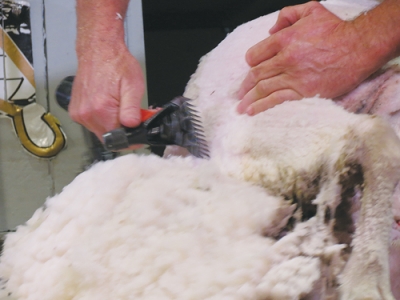
Lighter fleece weights due to a big North Island move to meat production from sheep is an influence on wool supply, says Malcolm Ching, Purelana manager, Wool Services International.
Wool supply is dropping from sheep numbers but it is nothing people haven’t anticipated, he says. NZ’s sheep numbers have gone from 30.3m sheep to 29.8m, which Ching says it is not hugely impacting overall supply.
“The bigger impact is lighter fleece weights due to the composite effect, where instead of an animal producing 4.5kg in a 12 month period it is producing 4kg,” he told Rural News.
“This is mainly coming out of the North Island due to the big move to meat production from sheep.
“They have gone for more lambs and there has been a lot of crossing with Finns and Texels which are meat derivative, high progeny based sires. But the wool produced is a spongier fine more mixed length and doesn’t quite grow as long as the traditional NZ breeds such as the Romneys and Perrendales.
“We have had only a slight drop in stock numbers but we have had a wool weight drop as well. But in our current market we still have a bit of a drift off in wool demand as well.”
New Zealand wool is reaching new heights as air filtration companies move away from synthetic products to biodegradable alternatives.
Will a stronger, more coordinated voice help rebuild confidence and improve returns in the wool sector?
OPINION: Good governance is critical to the primary sector. Whether it is a rural business, a levy-payer organisation or a research body, we need a pipeline of capable directors with a passion for, and knowledge of, the sector.
OPINION: Confidence in the wool sector is rebounding as prices hit levels not seen in more than 15 years.
The recently signed free trade agreement with India is an invitation to strengthen relationships between the New Zealand and Indian strong wool industries, says Wool Impact chief executive Andy Caughey.
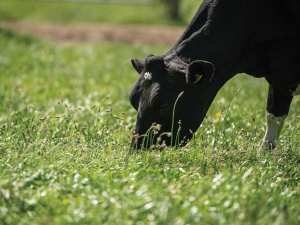
Farms across the upper North Island are trialling different pasture mixes as part of a research programme that aims to build greater resilience into farming systems.
Election years are always a concerning time for farmers, according to DairyNZ chair Tracy Brown.
The Ballance Farm Environment Awards are coming to the West Coast of the South Island.
Most dairy regions around the country have had a pretty good season so far says Tracy Brown.
Rural leader Mark Hooper has been appointed as an independent director to the NZPork board, bringing extensive farming, governance and advocacy experience to the role.