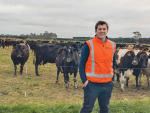
New Dairy Holdings CEO Backs Self-Contained Model
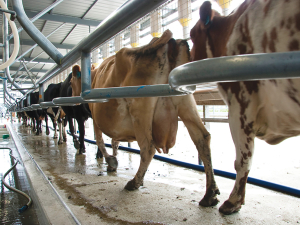
Running a tight and self-contained ship is the key to the success of the country's largest dairy farmer, says Blair Robinson, the new man at the helm of Dairy Holdings.
 increase font size
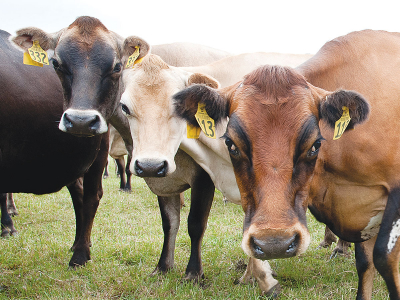 The number of farms under active surveillance for M. bovis has fallen.
The Ministry for Primary Industries (MPI) is welcoming a huge drop in the number of farms under active surveillance for Mycoplasma bovis.
The most recent figures show just 327 properties under active surveillance versus 589 just a week earlier.
The number has consistently been at least 500 – and as high as 640 – since the so-called surge in May.
MPI says the 40% drop is due to several reasons, firstly that many farms have recently completed surveillance and been found clear.
It adds that farms are also starting to get through sampling and testing quicker, due to the changes in sampling requirements to only one negative round for most management groups.
MPI also claims a new data management system is providing more timely and accurate reporting.
The total number of confirmed infected properties now stands at 195 – with 176 cleared and 19 still active. 310 farms are now under a notice of direction.
MPI says it has slaughtered 117,591 animals and paid out compensation of $98.6 million from 1156 claims either completed or partly paid from 1486 claims received so far.
Running a tight and self-contained ship is the key to the success of the country's largest dairy farmer, says Blair Robinson, the new man at the helm of Dairy Holdings.

OPINION: It's no surprise that "world-class biosecurity" continues to dominate as the top priority for agribusiness leaders, holding the number one spot for the 16th consecutive year in KPMG's latest agribusiness report.
Compensation assistance for farmers impacted by Mycoplama bovis is being wound up.
New Zealand's world-first Mycoplasma bovis eradication programme is making great strides but this isn't the time for complacency, says Ospri.
A national pest management plan to eradicate Mycoplasma bovis (M. bovis) will come into effect by the end of this year.

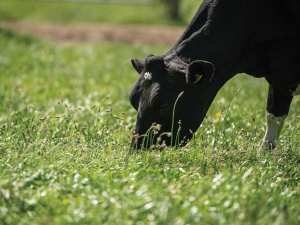
Farms across the upper North Island are trialling different pasture mixes as part of a research programme that aims to build greater resilience into farming systems.
Election years are always a concerning time for farmers, according to DairyNZ chair Tracy Brown.
The Ballance Farm Environment Awards are coming to the West Coast of the South Island.
Most dairy regions around the country have had a pretty good season so far says Tracy Brown.
Rural leader Mark Hooper has been appointed as an independent director to the NZPork board, bringing extensive farming, governance and advocacy experience to the role.