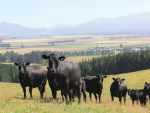
BVD Control Begins Long Before You See A Problem
Bovine Viral Diarrhoea (BVD) is sometimes viewed as a dairy industry issue, but the reality is that the disease can have serious consequences for beef breeding herds as well.
 increase font size
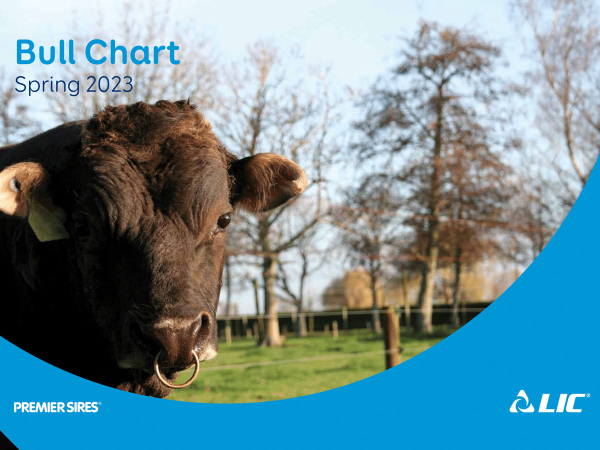 The farmer-owned co-operative’s bosses will be fronting up to affected farmers on Tuesday evening.
Herd Improvement company LIC has apologised to dairy farmers and is offering financial compensation to those impacted by a bad batch of sire semen.
The farmer-owned co-operative’s bosses will be fronting up to affected farmers on Tuesday evening.
A bad batch of sire semen was used on 1127 herds across the country, resulting in lower pregnancy rates. The premier sire semen straws were provided by LIC for dairy farmers use to mate their herds.
In a statement to NZX on Friday afternoon, the listed co-op says getting cows in calf goes to the core of what it does.
The co-op says it acknowledges the potential impact the bad batch of sire semen has caused for individual cows in farmers’ herds.
“LIC are disappointed that they haven’t delivered to the high standard expected and are taking this situation very seriously,” the statement says.
“The co-op continues to investigate the cause of this issue and have implemented additional quality control checks at 4am each morning prior to semen despatch. Since implementing this, LIC have seen no further issues.
“LIC understands this is the last thing farmers need to deal with and sincerely apologise for the frustration this has caused. The co-op is committed to working with affected farmers, and their LIC agri manager is ready to provide them with support.”
LIC says this month it notified farmers of a semen quality issue that has impacted some batches of their fresh conventional Premier Sires straws that were inseminated on farms on 17 - 19 October and 23 - 25 October.
LIC says it has listened to the feedback from many of its farmers and consulted with the LIC board and shareholder reference group, recognising this situation has impacted farms differently.
LIC is offering a package that has two categories and can be refunded from farmers’ LIC account to their bank account if preferred:
In addition:
LIC is inviting farmers to join chief executive David Chin and board chair Corrigan Sowman on Tuesday November 28 at 7pm to hear more about this and have an opportunity to ask questions. This invitation is open to all LIC shareholders.
Bovine Viral Diarrhoea (BVD) is sometimes viewed as a dairy industry issue, but the reality is that the disease can have serious consequences for beef breeding herds as well.

Animal health company Bovonic is gearing up for its next stage of growth after increasing New Zealand sales of QuadSense by more than 50% in the last 12 months, including a record quarter for the business this year.
With lambing underway in many regions, Beef + Lamb New Zealand is encouraging farmers to put together a wellequipped lambing kit to help minimise lamb losses, particularly in bad weather.
Bovine Viral Diarrhoea (BVD) remains one of the most significant infectious diseases affecting New Zealand dairy herds.
Farmers can spend less time on paperwork, thanks to a new data sharing agreement between DairyNZ’s DairyBase and LIC’s MINDA software.


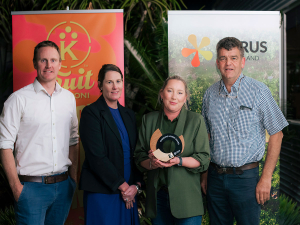
New Zealand's citrus growers were challenged to build their future on the value embedded in their fruit rather than the volume they produce, at Citrus New Zealand's annual gathering in Gisborne on 17 September.
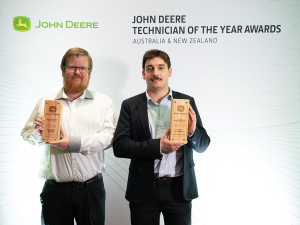
Leading John Deere technicians and apprentices from New Zealand and Australians were recognised at the recent sixth annual JD Technician of the Year Awards, held in Brisbane.
In Dacre, near Invercargill in New Zealand’s South Island, Bruce Dinnington is running a dairy operation unlike any other.
A free online platform aggregating governance vacancies across rural and regional New Zealand has been launched.
Environment Minister Nicola Grigg has announced details of a new rural plastics recycling scheme.
Agricultural drone operators say that a government decision to allow lower-risk drone work without certification won’t lower standards but drive innovation and efficiency.