NZ Apples Head to India: Apple Action Plan Gets a Leader
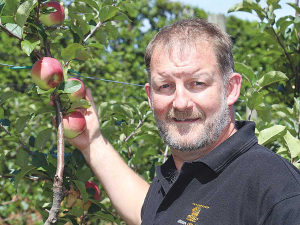
A seasoned horticulturist has been appointed to deliver the Apple Action Plan, a key initiative of the India-New Zealand Free Trade Agreement.
 increase font size
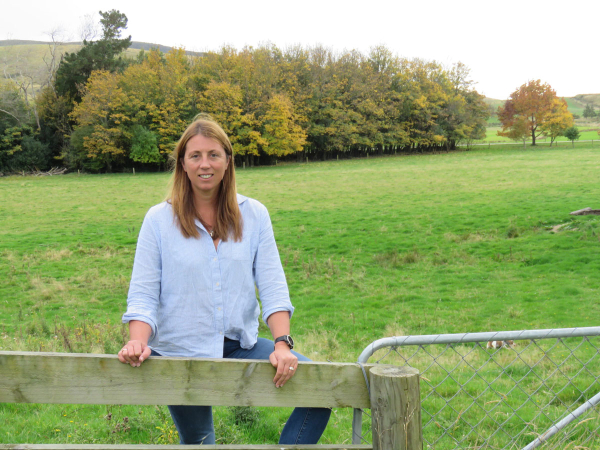 Beef + Lamb NZ chair Kate Acland.
Beef + Lamb NZ chair Kate Acland says that in these uncertain times, New Zealand needs to do everything it can to seize market access opportunities.
She says this is particularly in markets with great prospects in the future such as India.
"It has taken nearly 20 years to conclude this negotiation, and we would like to see it passed by the respective Parliaments.
"As with some of our other FTAs, it will be possible to negotiate improvements in the future.
"This year, India surpassed China as the most populous country in the world. It is projected to become the world's third-largest economy within five years, and its middle class is growing.
"In addition to unlocking a promising market that has been constrained due to the 30% tariff currently on New Zealand sheepmeat, an FTA will also deliver important additional options for our exporters, spread risk and provide greater stability."
B+LNZ has signed an open letter to parliamentarians from BusinessNZ calling for the signing of the FTA.
Meat Industry Association (MIA) chair Nathan Guy says that FTA brings New Zealand's red meat sector one step closer to unlocking new opportunities from a market with considerable long-term potential.
"And we are calling on the Government to sign the FTA now to keep building momentum.
"Globally our exporters are facing rising protectionism, uncertainty and volatility. Access to different markets is key to help us weather market dynamics as it provides the sector with options and create resilience supporting farm-gate returns and the national economy," says Guy.
A seasoned horticulturist has been appointed to deliver the Apple Action Plan, a key initiative of the India-New Zealand Free Trade Agreement.
National’s much-touted free trade deal with India featured in the Rural Issues Debate at Mystery Creek, Hamilton on Wednesday night.
Ravensdown shareholders have elected Jane Montgomery and Kate Acland to the Ravensdown Board for three-year terms, following a closely contested director election.
Beef + Lamb New Zealand (B+LNZ) says it welcomes the passage of the Natural Environment Bill and Planning Bill, calling the bills a positive step for sheep and beef farmers.


A seasoned horticulturist has been appointed to deliver the Apple Action Plan, a key initiative of the India-New Zealand Free Trade Agreement.
New Zealand's citrus growers have been told to compete on the value built into their fruit rather than the volume they grow.
Hawke's Bay fruit growers are being reminded of the need to prepare for whatever the El Niño weather system may bring in the coming months.
Three and a half years on from when Cyclone Gabrielle hit Hawke's Bay, some orchardists in the region are still receiving counselling to help them deal with the trauma they suffered.
South of the central Hawke’s Bay town of Waipukurau is Taniwha Station – a highly successful 550ha bull beef farming operation.
Beef + Lamb NZ funded research has shown that some simple changes to pasture management could help farmers make better use of rainfall and build resilience before dry conditions hit.