DairyNZ Sets Out Election Priorities for Dairy Farmers
Election years are always a concerning time for farmers, according to DairyNZ chair Tracy Brown.
 increase font size
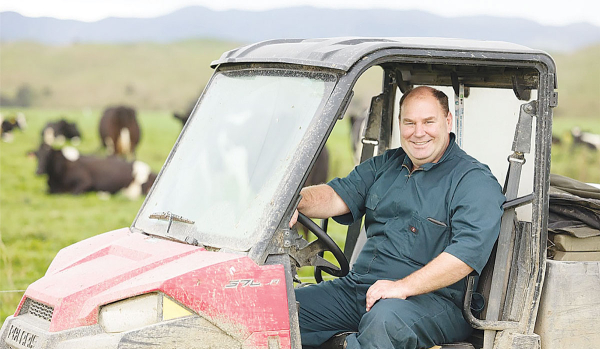 Biosecurity Minister Andrew Hoggard.
New Zealanders are being urged to be alert following a confirmed positive case of H5 bird flu this week.
Biosecurity Minister Andrew Hoggard says the case, a brown skua, was found on Petone beach in Wellington.
H5 bird flu is a low health risk to the public as it rarely affects humans unless there is direct, close, and prolonged contact with large numbers of sick birds.
Eggs and poultry remain safe to eat.
Hoggard says the case is a coastal detection in an individual ocean-going seabird and there is no evidence of any mass mortality wildlife or transmission between wild birds in New Zealand.
"There has been no detection in poultry," Hoggard says.
"The situation is being closely monitored, but at this stage there is no evidence of any illness beyond this seabird," he says. "We've had people out on Petone beach checking and found no other issues. We will continue to monitor the beach and surrounding areas."
"We ask the community to be alert and follow advice about reporting sick or dead birds. It is vital that people not touch or handle unwell birds."
Hoggard says the Ministry for Primary Industries (MPI) will continue wider surveillance and work closely with industry, veterinarians, and wildlife carers.
He says New Zealand is well prepared to respond to H5 bird flu and will work to protect poultry production.
"MPI, the Department of Conservation, the Ministry of Health, and Health New Zealand have been working together with industry and local councils to get ready," Hoggard says. "Our response is designed to manage the risks of H5 bird flu, to protect poultry production, and reduce impacts on wildlife and communities.”
MPI has been working with the poultry industry to develop biosecurity and resilience plans, to create industry preparedness for when H5 bird flu arrives.
In September 2025, a Government Industry Agreement (GIA) formally established the Poultry Council to oversee the delivery of a joint readiness work programme between MPI and industry. This programme aims to minimise the impact of H5 bird flu on the poultry sector and safeguard New Zealand's chicken and egg supply.
At present, MPI is testing birds every few days through reports and targeted wildlife surveillance.
“While there are no detections in poultry, producers are reminded that on-farm biosecurity practices are crucial to protect the health of their flocks,” Hoggard says.
“Australia has recently experienced finds of single birds with H5 bird flu in coastal areas with no reports of mass mortalities. We may see a similar pattern here and we will remain vigilant.
"We are continuing to act early and prepare carefully, while asking the community to remain watchful and report three or more sick or dead birds in a group to the MPI pest and disease hotline."
The Department of Conservation (DOC) has started a vaccination programme for 300 core breeding birds from five of our most endangered birds - kākāpō, takahē, tchūriwat’/tūturuatu/shore plover, kakī/black stilt and kākāriki karaka/orange-fronted parakeet.
Election years are always a concerning time for farmers, according to DairyNZ chair Tracy Brown.
There's been widespread support from the primary sector for the Government's announcement on changes to freshwater farm plans that come under the Natural Environment Bill, which is now set to replace the existing RMA.
Testing confirms H5 bird flu in a single northern giant petrel, found dead on a remote Cape Palliser beach in the Wairarapa, says Dr Mary van Andel, the Ministry for Primary Industries' (MPI) Chief Veterinary Officer.
Bovine Viral Diarrhoea (BVD) is sometimes viewed as a dairy industry issue, but the reality is that the disease can have serious consequences for beef breeding herds as well.
Four years since it was first detected in New Zealand, researchers and growers now know much more about management of maize pest fall armyworm (FAW).



Seed and grain companies share the concerns of arable farmers about the viability of their sector, says Seed and Grain New Zealand chief executive Dr Sarah Clark.
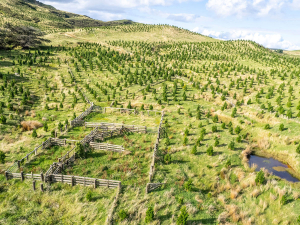
The New Zealand Institute of Forestry (NZIF) says unnecessary changes to New Zealand’s Emissions Trading Scheme (NZ ETS) will seriously erode investor confidence and result in significant reductions in forest planting rates.
For the first time in a quarter of a century, Federated Farmers has something positive to say about the Labour Party’s climate change policy leading into a general election.
A warning for New Zealand seed and grain companies – be prepared for an exodus of farmers from the arable sector.
Now in its fourth year, the 2026 Fencing Industry Awards, formed part of the proceedings of the FCANZ Conference, held in Nelson during August.
DairyNZ deputy chair Cameron Henderson has been re-appointed unopposed for another term.