fbpx
Print this page
Monday, 12 June 2023 13:55

Funding round opens for Greenhouse Gas research

Written by  Staff Reporters
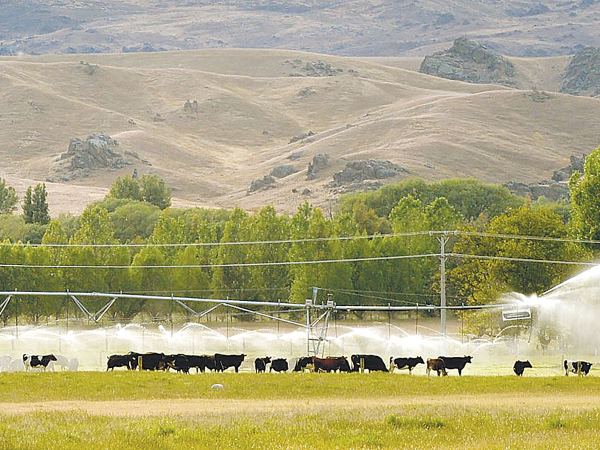
MPI is asking for research proposals for the Greenhouse Gas Inventory Research fund. MPI is asking for research proposals for the Greenhouse Gas Inventory Research fund.

The Ministry for Primary Industries (MPI) is on the hunt for research proposals to help improve New Zealand’s reporting of greenhouse gas emissions from agriculture, forestry, and other land uses.

The annual funding round for the Greenhouse Gas Inventory Research (GHGIR) fund is now open, with $8.9 million available over the next three years for new GHGIR projected.

The annual Greenhouse Gas Inventory reports on human-induced emissions and removals of greenhouse gases for energy, industrial processes, agriculture, land use, land-use change and forestry, and waste.

Steve Penno, MPI’s director investment programmes, says the GHGIR is focused on improving MPI’s knowledge of New Zealand’s greenhouse gas emissions, to ensure the best possible data is available to manage emissions and inform policy decisions.

“This year we’re looking for very specific proposals in 10 priority areas, ranging from modelling variations in dairy cattle body weight to wetland mapping,” Penno says.

“The outcomes will inform MPI’s reporting to the New Zealand Greenhouse Gas Inventory and the United Nations under the Paris Climate Agreement.”

Applications close on 19 July 2023, with successful proposals expected to be announced in October.

More like this

Third H5 Bird Flu Case Found in NZ Wild Bird

Testing confirms H5 bird flu in a single northern giant petrel, found dead on a remote Cape Palliser beach in the Wairarapa, says Dr Mary van Andel, the Ministry for Primary Industries' (MPI) Chief Veterinary Officer.

Featured

Southland Farmers Face Wet Weather Toll, Support Available

Farmers across parts of Southland and South Otago are continuing to deal with difficult conditions after a prolonged run of wet weather, with pressure building around feed supply, stock management, pasture damage, farm infrastructure and everyday workloads.

How Wearable Tech Powers This 1,850-Cow Dairy Farm

For Canterbury dairy farmers Sian Meijer and Rick Wobben, wearable technology has become one of their most valuable on-farm tools - helping manage 1850 cows across an expansive, high-performing dairy operation while improving efficiency, mating outcomes and day-to-day decision making.

New Dairy Welfare Code Released, Takes Effect 2027

The first major update to the Dairy Cattle Code of Welfare in more than a decade has been released, marking what DairyNZ describes as an important step in ensuring animal welfare standards continue to evolve alongside scientific evidence and on-farm realities.

National

Machinery & Products