Federated Farmers Backs Year 11 Agricultural Science
Federated Farmers is backing Feilding High School’s call to keep Agriculture and Horticultural Science as a standalone subject in Year 11.
 increase font size
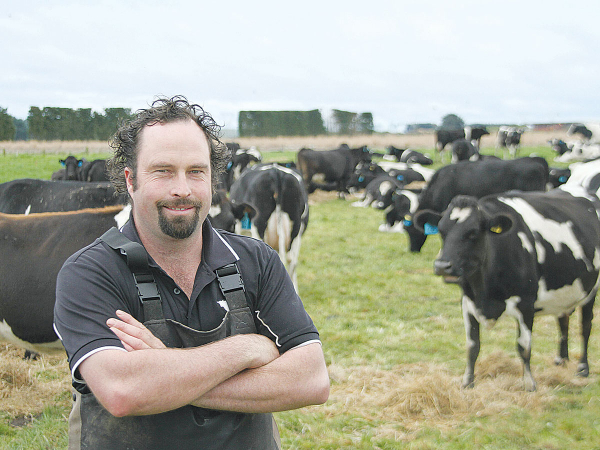 Richard McIntyre
Farmers are crying foul over changes announced by the Government this week to the Accredited Employer Work Visa (AEWV) scheme.
Federated Farmers dairy chair and immigration spokesman Richard McIntyre says the changes “have caused a lot of concern and confusion”.
Many farmers rely on migrant workers to work on dairy farms and orchards. McIntyre claims the changes came into force immediately and will make things a lot harder for farmers who are trying to bring in staff from oversees.
The changes include a shorter visa length of two years with a maximum continuous stay period of three years, and the introduction of a 12-month stand-down period at the end of the visa. There are also new minimum requirements when it comes to skills, work experience, advertising roles, and engaging with Work and Income.
McIntyre says Federated Farmers do not support many of these changes and have written to the Immigration Minister, Erica Stanford raising concerns and requesting an urgent meeting to discuss them.
“We’re concerned that these sudden changes will put a number of farmers in a difficult and unforeseen situation where they are unable to fill roles this season,” he says.
“This is a significant issue. Staff shortages can have a huge impact on health & safety, mental wellbeing, and animal welfare.
“There is also a risk that the standdown requirement will create a situation where skilled employees, who farmers have invested in, are picked up by other countries.”
According to Federated Farmers the key changes to the AEWV scheme are focused on those migrant workers who are entering, or have entered, New Zealand to work in ANZSCO Level 4 and 5 skill level roles. These changes apply from 7 April 2024. They include:
Federated Farmers is backing Feilding High School’s call to keep Agriculture and Horticultural Science as a standalone subject in Year 11.

National’s pledge to introduce 19 new national standards shows the party is serious about getting Wellington out of farming, Federated Farmers says.
Mobile phone coverage and reliability are deteriorating in rural areas, and farming families are bearing the cost, according to a Federated Farmers survey.
Central Otago District Council (CODC) has voted against a plan to spread treated sewage sludge from Cromwell and Alexandra on farmland near Lauder, a decision Federated Farmers says reflects strong opposition from rural residents.
Federated Farmers has called on Central Otago District Council (CODC) to drop or vote down a plan to truck sludge from Alexandra and Cromwell to farmland near Lauder, warning it would compound an "outrageous" situation created by a separate council's decision weeks earlier.



New Zealand Winegrowers (NZW) is celebrating the India-New Zealand Free Trade Agreement (FTA) coming into force today, bringing New Zealand wine improved access to one of the world’s fastest-growing economies.

New Zealand’s red meat sector has welcomed the India-New Zealand Free Trade Agreement taking effect, which removes India’s 33% tariff on New Zealand sheepmeat.
More than 95 per cent of New Zealand’s forestry and wood exports to India can now enter tariff free as the New Zealand-India Free Trade Agreement comes into force today.
Federated Farmers is backing Feilding High School’s call to keep Agriculture and Horticultural Science as a standalone subject in Year 11.
Food and fibre exports have returned a billion- dollar bonus to the country.
Zespri has welcomed the entry into force of the India-New Zealand Free Trade Agreement today, calling it a significant milestone that will support long-term growth in one of the world’s largest and fastest-growing consumer markets.