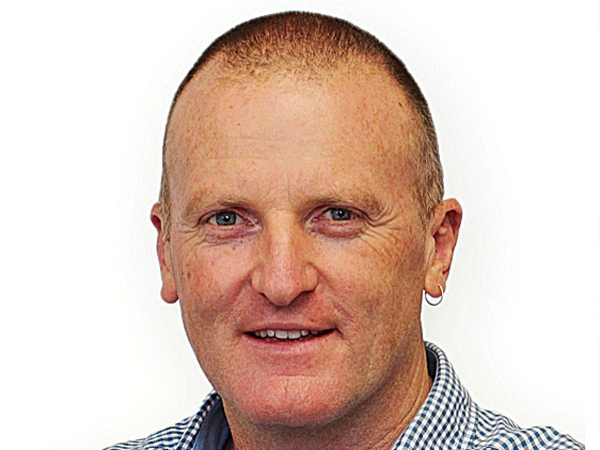
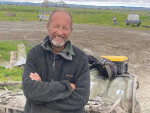
Be alert but not alarmed about El Niño. That’s the message from Professor Danny Donaghy, deputy head of the Massey University’s school of agriculture and the environment.
His speciality is dairy production systems. He says the university has been busy putting out information to rural professionals and industry on how to plan, deal with and recover from whatever this unpredictable weather system may bring in the coming months. He says no one knows for certain what to expect with El Niño events.
Donaghy says this El Niño looks to be the strongest on record but all we have to work on is what has happened in the past.
“We are fairly confident that it means drier conditions for Northland, Waikato and pretty much all of the East Coast, apart from the southern region,” he told Rural News.
“It could mean wetter weather for Southland, the West Coast of the South Island and potentially Taranaki,” he says.
He says some farmers are going to be hard up against it with already dry conditions while other regions will be reporting floods and rain damage. He adds it’ll also be a tough thing for the public to get their heads around and for other industries to deal with the climatic variations that may evolve.
Donaghy says a key message that he’s got for farmers is to think and act early.
“The people who respond early rather than reacting as time goes by get though these sorts of situations better,” he says.
Donaghy warns that those farmers who aren’t proactive can get themselves into a terrible mess. He says those who just react may face a situation where everyone is trying to get stock into processing plants and they may need to find feed for two or three weeks for animals they don’t want to keep.
“Now is the time to do feed budgets and look at stock numbers, and not necessarily make big cuts, but to see if there are twenty or thirty mouths out there that they would be better off without.
“It’s also a time to check the silage pit to make sure there are no rat holes and that the quality of the silage is up to scratch,” he says.
Donaghy says identifying any problems early will save money and reduce stress. He says the last thing a farmer needs is being forced to buy in feed at the last minute when it costs a fortune.
Making silage when conditions are good is prudent, but again, Donaghy says this must be done in a strategic way.
He says there is risk that if silage is taken from too much of the farm, if the weather suddenly turns dry and covers are low, recovery of
that pasture cut for silage will be slow.
The net effect is that weeks after cutting the silage, it may have to be fed out because of a feed shortage. The best strategy, he says, is ‘progressive’ silage cutting and then getting those paddocks quickly back into good pasture. And he emphasises that it’s important that silage harvested is good quality.
“Getting that rotation right is important,” he says.