
Lanaco and Blueair Launch World-First NZ Wool Air Filter
New Zealand wool is reaching new heights as air filtration companies move away from synthetic products to biodegradable alternatives.
 increase font size
 Wools of NZ’s advertising campaign aims to leverage the increasing demand for wool carpets in New Zealand.
Moves to promote the natural and sustainable features of wool versus synthetic fibres and its fossil fuel connections appears to be growing momentum around the world.
NZ carpet manufacturer Bremworth has grabbed a lot of headlines during the past year with its move to stop selling synthetic carpets and only promote woollen floor coverings.
Meanwhile, a recent high-profile advertising campaign by levy-funded research and marketing group Australian Wool Innovation (AWI) is highlighting the sustainability of wool, compared to synthetic textiles.
AWI’s wool campaign emphasises the eco-credentials of the fibre compared to synthetic fabrics. The ad features people dripping in oil, representing the fossil fuels used to create synthetic clothing.
The advertising campaign, which is running in America, the United Kingdom, France and Australia, depicts people swimming in a pool of black oil, struggling to get out. When they do finally emerge, they take off their dripping clothes to reveal clean wool products underneath.
New Zealand wool is reaching new heights as air filtration companies move away from synthetic products to biodegradable alternatives.

Will a stronger, more coordinated voice help rebuild confidence and improve returns in the wool sector?
OPINION: Confidence in the wool sector is rebounding as prices hit levels not seen in more than 15 years.
The recently signed free trade agreement with India is an invitation to strengthen relationships between the New Zealand and Indian strong wool industries, says Wool Impact chief executive Andy Caughey.
Strong competition and tightening supply have seen wool reach its highest prices paid at auction since 2011.


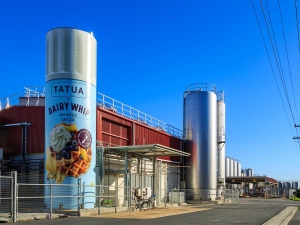
Waikato milk processor Tatua has again declared a record milk payout to farmer shareholders, leaving other processors in the dust.

A Labour-led Government won’t be bringing back the controversial freshwater rules of 2020.
National’s much-touted free trade deal with India featured in the Rural Issues Debate at Mystery Creek, Hamilton on Wednesday night.
New Zealand's 2026-27 freshwater fishing season has opened, with anglers encouraged to head to rivers and lakes over the coming days as conditions look favourable across much of the country.
Central Otago District Council (CODC) has voted against a plan to spread treated sewage sludge from Cromwell and Alexandra on farmland near Lauder, a decision Federated Farmers says reflects strong opposition from rural residents.
Pāmu has released its FY26 Integrated Annual Report, reporting a Net Operating Profit of $113 million, more than double the $49 million recorded in FY25.