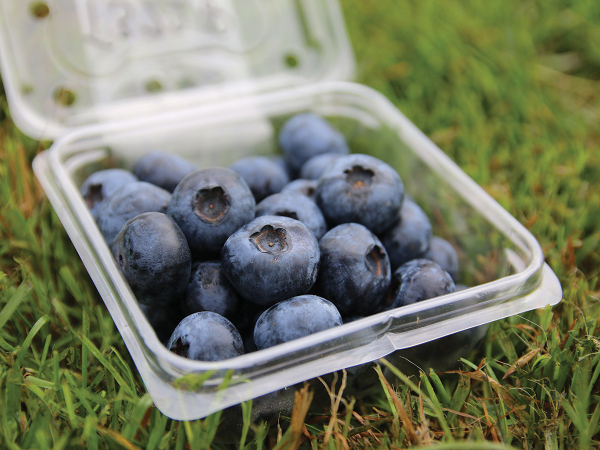
Blueberry growers are warning that fresh imports could pose a huge biosecurity risk for NZ’s horticulture sector.
Michaela Frost, Mamaku Blue Blueberry in Rotorua, says growers are baffled by Ministry for Primary Industries (MPI) plans to allow fresh blueberry imports from five countries - Mexico, Peru, Chile, US and Morocco.
Consultation has recently closed for Biosecurity New Zealand’s proposed import requirements for fresh blueberries.
But industry group Blueberries New Zealand says it’s worried about increased biosecurity risks - for example, bringing in the Spotted Wing Drosophila fruit fly or the bacterial plant disease Xylella fastidiosa.
Frost questions why New Zealand would want to open its multi-billion-dollar horticulture sector to pests and diseases from these five countries.
She says NZ blueberry growers are worried about pests like fruit fly arriving on blueberries from these countries.
“And the risk isn’t contained to the blueberry industry, since a fruit fly incursion will affect kiwifruit and apple growers too.
“So, there’s a lot of concern among NZ growers but so far MPI doesn’t seem to be listening to our concerns.”
New Zealand enjoys its own supply of fresh blueberries all year around. NZ blueberries are also exported to Australia and South Korea.
According to Frost, the five countries don’t have stringent laws around blueberry exports that NZ have.
“These five countries don’t have those standards that NZ growers to have here for their export.
“For us to be able to export to Australia, growers need to do a lot of work.
“And even to Korea, because now the fresh blueberries have been accepted to Korea - it’s a lot of work.
“You can’t have even a little tiny egg on the NZ blueberry. If that’s detected, everything’s compromised.”
Blueberries New Zealand chair Trudy O’Halloran has described the standards as “really unfair”.
She says that if a new pest or disease were to enter the country, it would likely have a significant impact on the wider horticulture sector and that could cost both growers and taxpayers millions.
“We just want MPI to sit down… and work through the standards with us,” she told Rural News.
Currently, New Zealand’s blueberry industry is valued at approximately $150 million, with aims to double that. It hires close to 4000 seasonal workers.
Thorough Assessment
Lisa Winthrop, Biosecurity New Zealand director, biosecurity import & export standards, says Biosecurity New Zealand has engaged ‘extensively’ with the blueberry industry throughout the development of the proposed import standards.
“Since 2021, there have been multiple meetings with industry representatives – meetings that have included presentations, workshops, and provision of technical information that supported our IHA proposals,” Winthrop says.
“We have provided responses to their questions throughout this period and also provided additional materials that industry representatives requested during the consultation period,” she adds.
Winthrop states that the proposed standards would, if finalised, set biosecurity requirements that must be met for fresh blueberries to be safely imported into New Zealand.
“It does not determine whether imports occur but establishes the conditions under which trade can take place.”
She says Biosecurity New Zealand is “extremely thorough” in its assessment of pest and disease risks and has set a high level of pest and disease protection for imported produce.