McRae Wins Southern South Island B+LNZ Director Vote
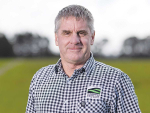
Matt McRae, a farmer from Mokoreta in Southland who runs a sheep, beef and dairy support business alongside a sheep stud, has been elected to the Beef +Lamb NZ Board as a farmer director.
 increase font size

Beef + Lamb NZ director George Tatham says new members from Paraguay and Mato Grosso, Brazil will add a new dimension to the group, now called the International Beef Alliance.
Tatham says the Five Nation's Beef Alliance has been very effective in creating a strong single voice from the beef industry in the Trans-Pacific Partnership negotiations.
"The Five Nations Beef Alliance as it was then, was a unique grouping in the negotiations providing a clear and consistent message to the TPP negotiators. As a result, the beef sector has probably achieved the best outcome of all the agricultural commodity groups.
"Having Paraguay and Mato Grosso, the largest beef producing state in Brazil, joining the group can only add to our strength as a beef producers' representative group.
"It has been very stimulating to have the opportunity to discuss with representatives from Paraguay and Brazil the opportunities and issues for the beef industry that are similar across all our regions."
Tatham says the new members are committed to the same principles as the five founding nations, including the importance of removing all barriers to trade, particularly non tariff barriers, producing beef sustainably and providing consumers with an excellent beef eating experience.
The global market for beef is continuing to increase, now over $59 billion and growing, adding $17 billion in the last four years, says Tatham.
"All the projections are for a continuing increase in beef consumption, particularly in the Latin American and Asia Pacific regions. Facilitating beef trade around the globe is going to be absolutely essential to ensure that consumers in these markets have access to an important protein source without artificial barriers to trade.
"We need to be on a level playing field with other foods, and beef is one of the most regulated foods in global trade. It makes no sense to have unnecessary bureaucracy and costs in the global food trade at a time when the global population is increasing and the planet's resources are stretched," says Tatham.
"Joining together as beef producers is the only way to dismantle the morass of regulatory barriers that contribute only to increased beef prices to consumers without any matching benefit."
The International Beef Alliance met last week in Mazatlan in Mexico. As well as admitting new members, Paraguay and Mato Grosso from Brazil, the beef producer representative organisations from Canada, US, Mexico, Australia and New Zealand agreed a strategy for working together in the interests of the global beef industry.
"We are stronger together than we are alone and that applies to New Zealand more than anyone," says Tatham.
Matt McRae, a farmer from Mokoreta in Southland who runs a sheep, beef and dairy support business alongside a sheep stud, has been elected to the Beef +Lamb NZ Board as a farmer director.

OPINION: The good times felt across the dairy sector weren't lost at last week's Beef + Lamb NZ annual meeting.
Beef + Lamb New Zealand (B+LNZ) is calling on livestock farmers to take part in a survey measuring the financial impact of facial eczema (FE).
Beef + Lamb New Zealand (B+LNZ) chair Kate Acland says there are clear governance processes in place to ensure fairness and transparency.
The red meat sector is watching anxiously as the US embarks on a tariff war with its key trading partners.



During the nesting season, from September to December, industrious starlings can quickly build nests in the darker areas behind tractor and vehicle, usually close to hot engines, typically resulting in localised damage or in some cases complete write-offs.
The meat processing industry is much more collegial than it was in the past and is now more focused on common goals.
With the last couple of months having seen some potential tractor purchases put on hold with the impending election and continued input cost rises, year-to-date figures, ending September, has seen deliveries up around 5% over the same period in 2025, with a total of 2026 units.
Beef+Lamb New Zealand is calling for nominations for director roles in the Northern South Island and Northern North Island electoral districts.
Fonterra chief executive, Richard Allen says being resilient has helped the dairy industry overcome extreme volatility in recent years.
The head of the Ministry for Primary Industries (MPI) trade and international relations group says New Zealand is well-positioned to secure trade access and compete internationally as the world becomes more complicated, demanding and uncertain.