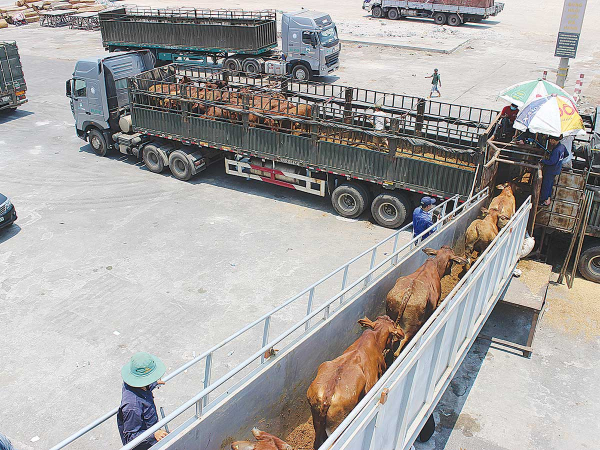
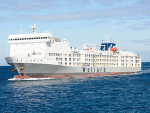
Australian livestock exporters are optimistic of securing more business as New Zealand winds down its trade over the next two years.
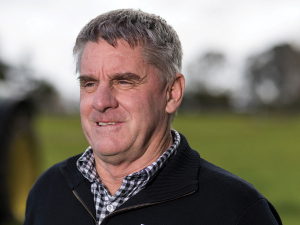
Australian Livestock Exporters' Council (ALEC) chief executive Mark Harvey-Sutton told Rural News that while it's a bit simplistic to expect NZ's $500m business to land on their laps, they will see some growth.
Harvey-Sutton says livestock exporting is a very competitive business; Australia and NZ competes with South American countries. He says demand for livestock, especially from China, remains very high.
Last month, the NZ Government announced a ban on live cattle exports, with a two-year period to phase out the trade.
Agriculture Minister Damien O'Connor claimed, while the trade had benefits for some farmers, it was not universally supported in the industry.
O'Connor did not expect a direct hit to the GDP as a result of halting the trade.
"Those animals will stay here in New Zealand and our reputation is to be the most ethical producers of livestock protein in the world is something we are working to build value from. I think this will actually play positively into our international reputation," he claims.
In its review submission, the Independent National Animal Welfare Advisory Committee (NAWAC), which advises ministers on animal welfare issues, advised that the practice should stop.
Harvey-Sutton was surprised by the NZ decision and says it will be hard on farmers involved in livestock exports.
"This is understandably disappointing news, particularly for New Zealand producers that rely on the trade for competition in their livestock markets as well as their international trading partners," he told Rural News.
Australia's beef cattle are worth A$1.35 billion annually; dairy cattle exports are worth about A$170 million.
Economic modelling has found that Australian livestock exports generate about 10,000 jobs across Australia. A cessation of the trade woul impose a net cost of about $300 million annually on Australian livestock producers. Australia also exports cattle for slaughter and feedlots and exporters are constantly under attack from animal rights groups over animal welfare issues.
But Harvey-Sutton says Australia has an Exporter Supply Chain Assurance System (ESCAS) that ensures livestock exported for feeder and slaughter purposes are handled in accordance with international animal welfare standards.
It also provides a mechanism to deal with animal welfare issues when they occur - preventing the need for trade suspensions.
"It is important to noe that the Australian and New Zealand industries are very different in terms of their scale, market dynamics, and regulatory processes," says Harvey-Sutton.
He says there is no plan to curtail Australian livestock export trade.
"We hav full confidence in the standards the Australian industry upholds and expect the impacts of the New Zealand decision to have limited bearing on the strength of the Australian industry and its continuing growth."
Australian Annual Livestock Reports
- Beef cattle - A$1.35 billion