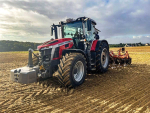
Lanaco and Blueair Launch World-First NZ Wool Air Filter
New Zealand wool is reaching new heights as air filtration companies move away from synthetic products to biodegradable alternatives.
 increase font size
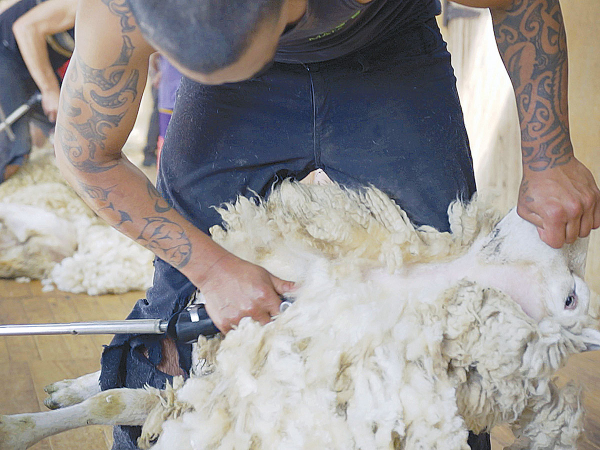 Australia fears a shortage of shearers after New Zealand shearers return home once our borders reopen.
In a twist on the usual formula, Australia fears a shortage of shearers in that country after New Zealand shearers return home once our borders reopen.
With NZ's border opening up but Western Australia's tightening, many Kiwi shearers who were in Australia when our borders were locked down in March 2020 will now have the opportunity to return home - without needing an MIQ slot.
However, many who choose to return home to NZ will find it difficult, if not impossible, to return to Western Australia. New Zealand's borders will open to fully vaccinated Kiwis and other permanent residents travelling from Australia starting from February 27. However, despite Prime Minister Scott Morrison's plan for Australia's borders to open internationally on February 21, Western Australia is going a different way. That state is taking a tighter approach to regional travel and capping foreign visitors at 265 people a week following an Omicron outbreak.
NZ shearer Aromia Ngarangioni told Australia's ABC that about 60% of shearers currentl working in Western Australia are from New Zealand.
Like many, she has not seen her home since early 2020, when she returned to NZ for her mother's funeral.
It is likely many similar stories will be found among other returning NZ shearers, homesick or having business back home to sort out.
However, there is concern in Western Australia about the impact this will have on their sheep industry. With an exodus of talented shearers and border restrictions (both international and regional) making it difficult to find suitable employees, there are fears a shearer shortage could further impact an already stressed industry.
Shearing contractor Greg McAtamney runs several teams in the Great Southern region of WA.
"I'll probably lose six to eight people straight away, maybe more. That's an entire team," he told the ABC.
McAtamney says if this happens, he doesn't expect to meet farmers' needs for shearers at a crucial time of the year.
"A lot of sheep are due to lamb in April or May, so they need to be shorn four to six weeks before that for animal welfare reasons," he said.
Meanwhile, WA Liberal upper house member Steve Martin told the ABC the feared shearer exodus could make an already stressed industry worse.
"They [the shearers] work longer and longer hours," he said. "The farmers get their shearing dates pushed back."
A WA state government spokesperson said it was working closely with industry to manage the shearer shortage.
New Zealand wool is reaching new heights as air filtration companies move away from synthetic products to biodegradable alternatives.

Will a stronger, more coordinated voice help rebuild confidence and improve returns in the wool sector?
OPINION: Confidence in the wool sector is rebounding as prices hit levels not seen in more than 15 years.
The recently signed free trade agreement with India is an invitation to strengthen relationships between the New Zealand and Indian strong wool industries, says Wool Impact chief executive Andy Caughey.
Strong competition and tightening supply have seen wool reach its highest prices paid at auction since 2011.


Alliance is calling for final applications for its 2027 Graduate Programme, with applications closing on Sunday 25 October.
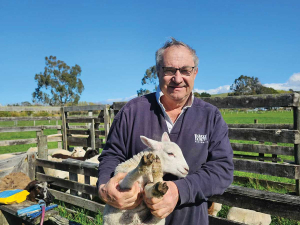
Decades piloting planes has ensured vet and farmer David Hayes is focused on safety. So, after a serious accident while welding on farm, he is sharing his experience so others can learn from it.
Canterbury milk processor, Synlait Milk has confirmed Leon Fung as its chief executive officer.
OPINION: Making it easier to collect rainwater and use it to grow crops and livestock is a no brainer.
As part of its Election 2026 coverage, Rural News asked political parties how they would help pull the arable sector out of the doldrums. Here's what they said:
Farmers are being encouraged to rethink how they manage waste on farm with the launch of ruralwastesorted.co.nz, a new website bringing together practical tips, real farmer experiences and resources.