Let Farmers Decide What They Farm
OPINION: Well, the silly season is upon us and all us politicians are running around shaking babies and kissing hands, or maybe the other way around.
 increase font size
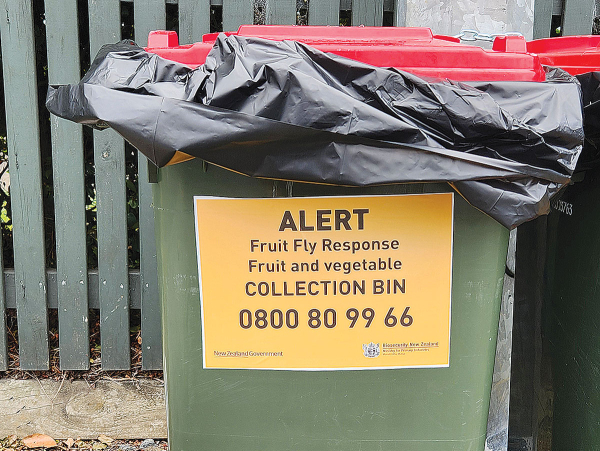 A strong biosecurity system is critical to protect the future of NZ farming.
The Ministry for Primary Industries (MPI) has received 136 submissions on proposed amendments to the Biosecurity Act.
Submissions closed on December 14 last year and MPI's chief biosecurity officer Pete Thomson says they are pleased with the level of response and the quality of submissions received.
"The submissions received will be genuinely helpful in the development of final proposals," Thomson told Rural News.
MPI will analyse the submissions before providing advice to the Minister for Biosecurity, Andrew Hoggard.
Thomson says several submitters have indicated they would like to work collaboratively with MPI on suggestions they have made in their submissions as final advice is formulated.
"We are interested to discuss issues further with some submitters, including DairyNZ, and this will be part of the analysis phase," he says.
Thomson says they hope to provide advice to the Minister in the first half of 2025.
In its submission, DairyNZ wants a more integrated and sustainably funded biosecurity system as part of changes to the Biosecurity Act 1993.
DairyNZ chief executive Campbell Parker says a strong biosecurity system is critical to safeguard and protect the future of New Zealand dairy farming.
"The current system is fragmented and is funded through multiple levies, each with their own legislative provisions and administration," he says.
"The different programmes often have the same stakeholders involved and this duplication is part of the frustration experienced by dairy farmers.
"We would like to see a more integrated and sustainably funded biosecurity system that prioritises investment in readiness to make sure we are prepared for any future biosecurity events."
In its submission, DairyNZ also highlighted the proposed changes to the Government Industry Agreement (GIA) readiness and response and provided feedback on proposed changes to compensation settings and eligibility under the Act.
"New Zealand needs to invest in appropriate system-wide preparedness for major biosecurity events to reduce the impact on the sector," Campbell says.
"Our current Biosecurity Act is over 30 years old, and these new proposed amendments will look to modernise the Act.
"Change is needed and DairyNZ welcomes the opportunity to work with the Government to make sure the voices of dairy farmers are heard.
"We remain focused on talking to our farmers around the country to share updates, information, answer questions, provide examples and represent their views during this important consultation period."
OPINION: Well, the silly season is upon us and all us politicians are running around shaking babies and kissing hands, or maybe the other way around.
Bovine Viral Diarrhoea (BVD) is sometimes viewed as a dairy industry issue, but the reality is that the disease can have serious consequences for beef breeding herds as well.
It was billed as a chance for all the political parties to woo the rural vote, but question marks hang over just how effective this was.
Election years are always a concerning time for farmers, according to DairyNZ chair Tracy Brown.
There's been widespread support from the primary sector for the Government's announcement on changes to freshwater farm plans that come under the Natural Environment Bill, which is now set to replace the existing RMA.


The Royal New Zealand College of General Practitioners (the College) and Hauora Taiwhenua Rural Health Network are calling for investment in a proposed new training pathway for rural GPs, warning that many rural practices are struggling to recruit while a large share of the existing workforce nears retirement.
Federated Farmers has called on Central Otago District Council (CODC) to drop or vote down a plan to truck sludge from Alexandra and Cromwell to farmland near Lauder, warning it would compound an "outrageous" situation created by a separate council's decision weeks earlier.
Synlait has swung to second-half profit as operations stabilise, but the dairy processor still posted a $75.4m annual loss.
LIC shareholders have elected a new North Island representative to the co-operative's Board, along with five representatives to its Shareholder Reference Group (SRG), following the company's Annual Meeting held in Invercargill.
Farmers across parts of Southland and South Otago are continuing to deal with difficult conditions after a prolonged run of wet weather, with pressure building around feed supply, stock management, pasture damage, farm infrastructure and everyday workloads.
Federated Farmers says it welcomes Labour's commitment to reviewing the Sharemilking Agreements Act, calling on other major parties to do the same.