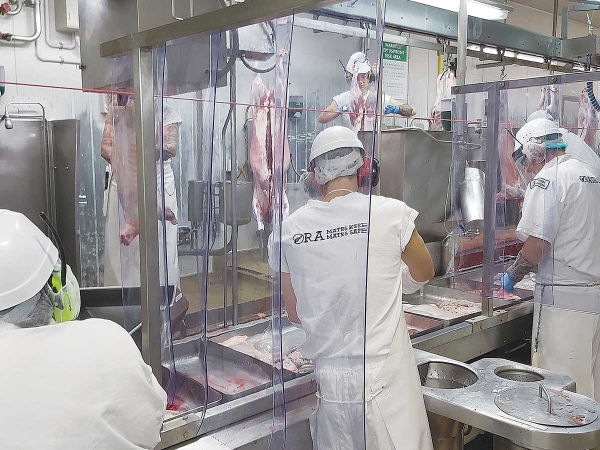
Livestock farmers are being urged to plan ahead for possible meat processing disruption due to Covid-19.
The expectation of some farmers that they can ring up a buyer at short notice and have animals collected quickly and taken to the processing works is unrealistic at the moment.
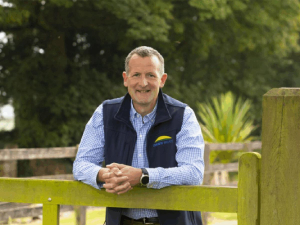
The chair of the Animal Welfare Forum Lindsay Burton says with Omicron in the community, there is a high degree of uncertainty around the availability of a labour force in processing plants. He says even before the recent omicron outbreak, the industry was 5,500 workers short and the situation has the potential to get worse.
The Farm to Processor Animal Welfare Forum – a grouping of various industries related to livestock farming – says it is critical that farmers book space at meat processors well in advance. It is also warning farmers to be prepared to potentially hold stock on farm for longer.
“We have seen overseas the disruption that Omicron can cause to supply chains – particularly meat processing,” says Burton.
He adds that it is important that farmers talk to their stock agents, processors and transporters if they aren’t already, and have a plan for what they need to do if they have to hold onto stock for longer.
“Make sure you consider this in your feed planning and talk to your levy body or a farm adviser if you need support.”
Burton says the Forum has concerns especially about dairy farmers who, in many cases, don’t have an ongoing relationship with a processor. He urges them to start planning, if they haven’t already done so, for delays in getting their cull cows into the works.
“Typically, the waiting time for killing space would be about two weeks – but in the present environment it could be anywhere between six and eight weeks,” Burton explains.
“So, farmers have to have contingency plans in place. The processors don’t know what number of their workforce will be unable to work at any given time and that is where the concern is – uncertainty.”
Animal Welfare Issues
Meanwhile, the Forum is also reminding farmers to ensure their stock are fit for transport.
“Animal welfare during transport should remain a focus. Transport is stressful, and it is important that animals are prepared well for the journey,” says Burton.
“Lactating cows, in particular, need careful preparation and management. Stand them off pasture for 4-12 hours before transport, and provide water and dry feed, supplemented with calcium (lime flour).”
Burton says farmers need to be aware of where their stock are going, especially as Covid-19 may mean they’re transported to different processing plants than usual.
“Farmers nationwide should be prepared for their animals to have extended journeys, or for collection times to change,” he adds.
Burton says the good news, at present, is that the feed situation on farm is good with recent rains over much of the country and warmer weather that has resulted in better pasture covers.
“We are not that concerned about the feed situation at present, but we are monitoring the situation,” he adds. “People need to make sure that they have feed on hand and recognise that if stock are to be picked up they must be fed and kept in good condition.”
Burton says the key message to farmers is to get up to speed with the developing situation and have a contingency plan because no-one quite knows what might happen.
“Everyone across the supply chain – farmers, veterinarians, transporters, stock agents, saleyard operators and processors – has a role to play in protecting the welfare of animals.”
More Information on the rules for stock transport can be found here: www.mpi.govt.nz/animalregs
More information about the forum can be found here: https://www.mpi.govt.nz/animals/animalwelfare/safe-guarding-our-animals-safe-guarding-our-reputation/working-collaboratively-with-the-livestock-industry/