Rabobank Launches HortPathways for Emerging Hort Leaders
Twenty-eight emerging leaders from across the horticulture sector spent two days last month learning valuable skills and connecting with industry experts.
 increase font size
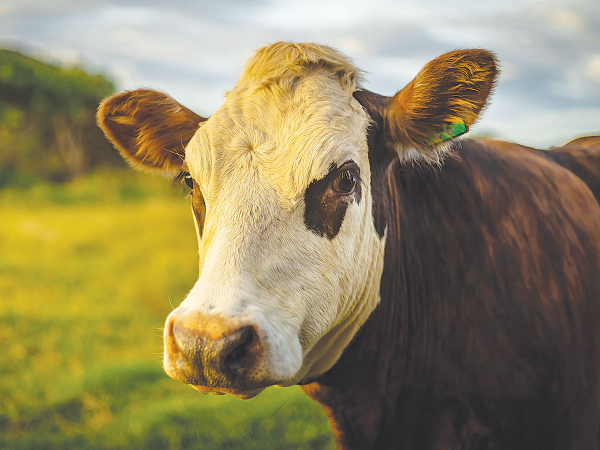 NZ beef production in 2024 is expected to fall around 3% because of ongoing contraction in dairy and beef herds.
There's a glimmer of hope that NZ red meat producers will have a better year in 2024, despite Rabobank's most recent annual Global Animal Protein Production Outlook report predicting a slowdown or decline across some protein types this year.
Rabobank global strategist animal protein Justin Sherrard says NZ beef production for 2024 is expected to fall around 3% because of ongoing contraction in dairy and beef herds.
"[However] the contraction in the US beef production system should support beef export prices and, in turn, cattle prices," he explains. "While increased Australian volumes will keep prices competitive. We believe a lift in US import demand should see New Zealand cattle prices trade slightly above the five-year average through 2024."
Meanwhile, improving ewe numbers and breeding conditions are expected to lead to higher lamb numbers and an increase in sheepmeat production and exportable lamb volumes in 2024.
While 2023 had seen softer than expected global demand combined with higher Australian volumes, Sherrard believes there will be a gradual improvement in global markets in 2024 with slightly stronger prices, although ongoing large volumes from Australia will still limit upside.
"With forecast beef and lamb production close to the five-year average, New Zealand producers will be looking for an increase in global demand to support livestock prices."
The report says ongoing pressure - particularly environmental - on New Zealand's livestock industries will continue in 2024 and prevent any major production growth.
It also says producers and processors will need to adapt to sustain success amid tight margins. With higher production costs, adverse weather and tighter supplies is expected to push animal protein prices up.
However, a constraint in global consumption may lead to pressure on processors to invest in upgrading production systems to serve emerging market needs, meet regulatory requirements and cater to changing consumer preferences around sustainability.
The report also points to demographic shifts that will see the labour market tighten and raise production costs, while reduced population growth will slow consumption. Production in the major markets is forecast to grow 600,000 tons to a total of 247 million tons next year, compared to a 2.1M ton growth in 2023.
Sherrard says it was a testament to the resilience and flexibility of companies along animal protein supply chains that they continue to grow production and deliver on customers' demands amid such challenging market conditions.
Twenty-eight emerging leaders from across the horticulture sector spent two days last month learning valuable skills and connecting with industry experts.

A 'tsunami' of milk from key exporting countries is winding down and this may be good news for New Zealand dairy farmers.
Chinese beef trade quotas and a looming suspension of Brazilian beef imports into the European Union are expected to reshape global beef trade flows over the remainder of 2026, with implications for New Zealand exporters, according to Rabobank's Q3 Global Beef Quarterly report.
New Zealand consumers are paying more for beef mince than ever before, with the average retail price now sitting above $24 per kilogram, according to Rabobank.
West Otago dairy farmer Luke Kane has been awarded the 2026 Rabobank Dr John Morris Business Development Prize.


Federated Farmers has welcomed new rural policies released by ACT, saying they align closely with its own election priorities.

Rural Contractors NZ says proposed changes to land transport rules for agricultural vehicles are a welcome response by the Government to out of date regulations which have seen members hit with huge fines.
Alliance is calling for final applications for its 2027 Graduate Programme, with applications closing on Sunday 25 October.
Decades piloting planes has ensured vet and farmer David Hayes is focused on safety. So, after a serious accident while welding on farm, he is sharing his experience so others can learn from it.
Canterbury milk processor, Synlait Milk has confirmed Leon Fung as its chief executive officer.
OPINION: Making it easier to collect rainwater and use it to grow crops and livestock is a no brainer.