
Westpac Urges Farmers to Prepare Now for El Niño Drought
Westpac NZ is calling on farmers and growers to start preparing now for the possibility of a dry summer, as likely El Niño conditions raise the risk of drought across parts of the country.
 increase font size

EXPORT COMMODITY prices, already down 9% on a mid-2011 peak, are tipped to slip further in the coming months as Europe deteriorates and Asian growth slows, says Westpac's latest economic outlook report.
But Westpac head of agribusiness David Jones says things should improve towards the end of the year.
"We are clear the commodity prices will come off," he told Rural News. "We will see a bit of the dip, but we are expecting a second half-of-the-year recovery.... When commodity prices come off the dollar comes off which actually helps put a bit of a buffer around the return to the farmer."
However, farmers can be at the mercy of how well the processors hedge the currency, he notes.
"If they get it wrong, you can have double dip pain which goes back to the farm gate."
Other markets stepping up production when commodity prices are high can also in turn bring those prices down, which has happened in dairy.
For most nations the domestic market dominates, but any surplus comes onto world markets and will soften the commodity price. "So it's a watching brief; you never know what's around the corner."
Climate issues also have a big influence on supply, but again New Zealand has an advantage in offering stable supply, particularly in dairy.
Sheep farmers are this year building up capital stock with the good grass growing conditions, after several years drought. That's constraining lamb supply.
But the European market is "doing it tough," he notes. "So the orders have dried up. But you also have an emerging market in Asia.
"That's slowed down – their bubble has burst – but that will correct in the second half and we will start to see them buying again. It's a hiccup."
Westpac NZ is calling on farmers and growers to start preparing now for the possibility of a dry summer, as likely El Niño conditions raise the risk of drought across parts of the country.

Striking a balance between meeting the needs of industry to speed up approval time for products but on the other hand ensuring that risks are properly assessed.
A new Westpac NZ community banking van begins making visits around Northland this week.
Westpac NZ has announced new initiatives that aim to give customers more options to do their banking in person.
A $10 milk price remains on the cards for this season despite recent softening of global dairy prices.



Federated Farmers says it welcomes Labour's commitment to reviewing the Sharemilking Agreements Act, calling on other major parties to do the same.
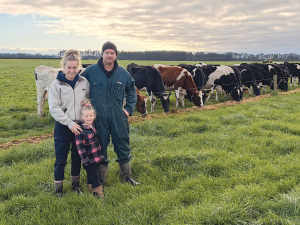
For Canterbury dairy farmers Sian Meijer and Rick Wobben, wearable technology has become one of their most valuable on-farm tools - helping manage 1850 cows across an expansive, high-performing dairy operation while improving efficiency, mating outcomes and day-to-day decision making.
Fonterra has unveiled its annual results for the 2026 financial year, posting $27 billion in revenue and close to $20 billion returned to New Zealand farmer owners and unit holders.
The first major update to the Dairy Cattle Code of Welfare in more than a decade has been released, marking what DairyNZ describes as an important step in ensuring animal welfare standards continue to evolve alongside scientific evidence and on-farm realities.
Ravensdown shareholders have elected Jane Montgomery and Kate Acland to the Ravensdown Board for three-year terms, following a closely contested director election.
Federated Farmers says new legislation replacing the Resource Management Act will cut red tape, unlock investment and help grow New Zealand's export-led economy, after the Planning Bill and Natural Environment Bill passed their third reading in Parliament yesterday.