NZ Food Safety Boss on Balancing Speed and Risk in Approvals
Striking a balance between meeting the needs of industry to speed up approval time for products but on the other hand ensuring that risks are properly assessed.
 increase font size
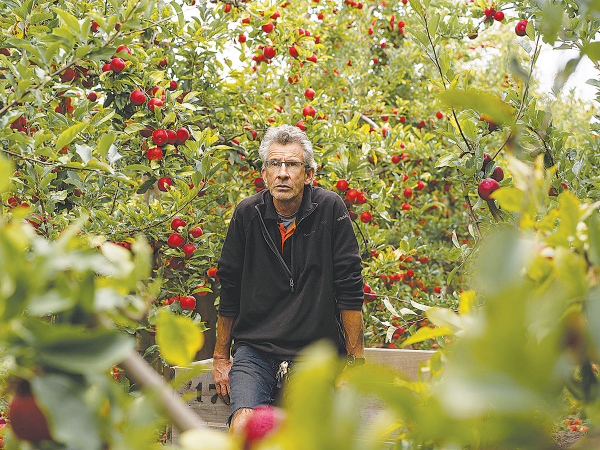 Hawke's Bay apple grower Bruce Mitchell says this year's labour shortages have meant that 40% of his gala crop could not be picked.
Horticultural exporters, growers, food companies and industry leaders are demanding that the Government develops a plan to allow Pacific Island seasonal workers to return later this year.
Sector representatives have called on the Government and Immigration Minister Kris Faafoi to create a plan that will allow more Pacific Island workers into the country in the year ahead. The industry wants to avoid the devastating impact that is happening to the current season’s crops as the labour shortage hits crisis point with fruit harvesting at its peak.
Due to the labour shortage, thousands of tonnes of fruit has been left on trees and the apple industry alone is already predicting losses upwards of $600 million, with the national crop forecasts down 14% on 2020.
Small orchardist and exporter Bruce Mitchell – whose family has been orcharding for over five decades – left six blocks of Royal Gala apples on the trees this season as he couldn’t get anyone to harvest them.
“It’s so devastating to see the best gala apples I’ve grown just rot on the ground because we didn’t have anyone to pick them,” he explained. “I was desperate and did everything I could to find people to harvest the apples. On the day we started, I was expecting 20 pickers, but only two people turned up so we physically couldn’t pick 40% of the gala crop.”
Mitchell is among hundreds of small to large orchardists and exporters who have either left export quality fruit on the trees or have compromised quality as the fruit hasn’t been picked at the optimal time.
New Zealand Apples and Pears chief executive Alan Pollard says he’s aware of leases not being renewed, blocks being pulled out and not being replaced and new tree orders being cancelled.
Last November, the heads of NZ Apples and Pears, NZ Kiwifruit Growers Inc, Summerfruit NZ, NZ Wine, Horticulture NZ, along with the chair of NZ Master Contractors, made a submission to Government for the return of RSE (Recognised Seasonal Employer) workers to New Zealand. Their submission indicated potential direct losses of up to $1.1 billion and a labour deficit of 11,000 workers across the horticulture and wine sectors in March 2021.
“Now that the harvest is at its peak, these labour shortages are a reality and we are seeing devastating consequences for many growers and exporters, including a serious impact on mental health and resilience,” Pollard said. “We cannot have a repeat of what has occurred this season. We estimate that we need at least 21 weeks from a government decision to the time that the workers need to be deployed – so there is real urgency to find a workable alternative solution."
The group is calling on the Government to announce a plan for the return of RSE workers from Covid-free Pacific Island countries and work with the sector to allow more Pacific Island workers into New Zealand.
“We urgently need a plan for 2022 to avoid the carnage we have seen this season.”
Striking a balance between meeting the needs of industry to speed up approval time for products but on the other hand ensuring that risks are properly assessed.

The New Zealand Nature Fund (NZNF) has congratulated the government on recently announced changes to the Active Investor Plus (AIP) Visa Growth category.
OPINION: At a time when farmers are advocating for less government spending and no new taxes, the dairy sector is rightly concerned by ACT's new immigration policy.
ACT's new immigration policy has come under fire from farmers and the Government.
We are encouraged that employers are already engaging with two new visas for seasonal workforce recruitment.


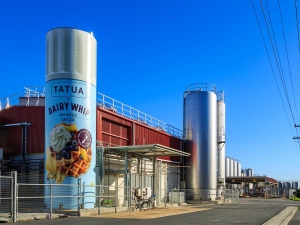
Waikato milk processor Tatua has again declared a record milk payout to farmer shareholders, leaving other processors in the dust.

A Labour-led Government won’t be bringing back the controversial freshwater rules of 2020.
National’s much-touted free trade deal with India featured in the Rural Issues Debate at Mystery Creek, Hamilton on Wednesday night.
New Zealand's 2026-27 freshwater fishing season has opened, with anglers encouraged to head to rivers and lakes over the coming days as conditions look favourable across much of the country.
Central Otago District Council (CODC) has voted against a plan to spread treated sewage sludge from Cromwell and Alexandra on farmland near Lauder, a decision Federated Farmers says reflects strong opposition from rural residents.
Pāmu has released its FY26 Integrated Annual Report, reporting a Net Operating Profit of $113 million, more than double the $49 million recorded in FY25.