NZKGI Responds to Migrant Worker Exploitation Reports
Where any worker in the kiwifruit industry is mistreated, we expect the authorities to take action.
 increase font size
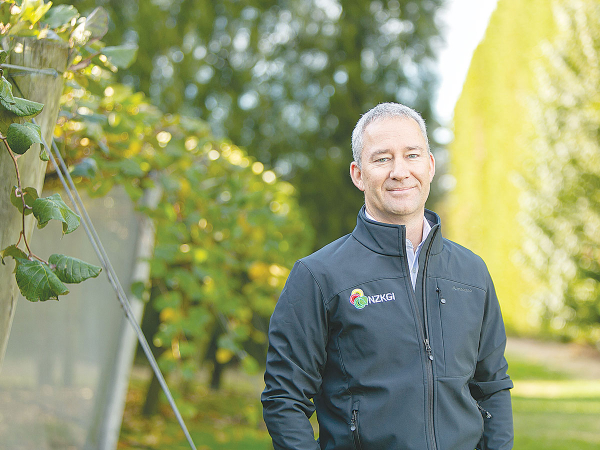 NZKGI chief executive Colin Bond says climate change is the number one issue for the world’s kiwifruit growers.
For Kiwifruit growers globally, climate change is the number one issue.
That's the view of Colin Bond, chief executive of NZKGI - which represents all of NZ's kiwifruit growers' interests.
He has recently returned from Chile, having attended the annual international conference of kiwifruit growers from most of the world's major kiwifruit growing countries.
Bond told Hort News that while climate change has always been a concern for growers, in the past, labour and costs have been rated ahead of it.
"But at this conference, climate change was seen as the biggest challenge the global industry is facing and is now top of the list."
Bond says every kiwifruit growing region around the world has experienced extreme weather events in the last growing season. He says for NZ it was Cyclone Gabrielle and for other it was extreme heat waves or flooding.
"Growers around the globe are all starting to see the impacts of climate change," he explain.
"The differences may be in Greece where they are starting to expand more, and the Chileans are saying that every ten years, they are moving to locations 100km south, to areas that are cooler and where there is more access to water."
Bond says NZ is not at the point of moving crops to colder regions and the Bay of Plenty will remain the hub of the sector.
However, he adds that SunGold 3 can be grown in a lot of regions around NZ.
With the last two warmer winters in the Bay, some people are looking to the Waikato and Tasman regions, which are colder.
Where any worker in the kiwifruit industry is mistreated, we expect the authorities to take action.

Kiwifruit growers are watchful but remain optimistic as concerns around the potential effects of the El Niño weather pattern this season.
For the first time in a quarter of a century, Federated Farmers has something positive to say about the Labour Party’s climate change policy leading into a general election.
Climate, nature and animal wellbeing make up Fonterra's refreshed sustainability roadmap released last week.
A five-year study has found that the cost of reducing emissions without technology may be significant and unsustainable for Northland dairy farmers.

Mobile phone coverage and reliability are deteriorating in rural areas, and farming families are bearing the cost, according to a Federated Farmers survey.

HelloFresh New Zealand has launched a limited-edition Country Cookout Box of Southern-inspired meals, arriving as the 2026/27 rodeo season gets underway.
Beef + Lamb New Zealand Incorporated (BLNZ Inc) is marking 40 years of promoting red meat to New Zealand consumers, citing its taste, family meals and nutritional benefits.
Pāmu has welcomed Taranaki student Paige Burston as its newest First Foundation Scholar, supporting her journey towards a career in agriculture and animal science.
Farmer-owned fertiliser company, Ballance Agri Nutrients is welcoming National’s plan to negotiate security agreements with key supplier countries to protect New Zealand-bound products from export restrictions and greater supply chain certainty.
Carrfields has announced the appointment of Stu Hall to the newly created role of chief operating officer, Carrfields Ltd, reflecting the continued growth of their agribusinesses and the need to ensure the company has the leadership capacity and support in place as it pursues the emerging opportunities ahead.